This is a city that one may regret if left unseen- not convinced? Wait until this virtual tour. Let’s complete the puzzle to walk you through the entire experience of Udaipur and a nearby city, Chittorgarh, that we covered on Day 3.
Udaipur derived from Maharana ‘Udai’ Singh and ‘pur’ which means place, became Mewar dynasty’s capital after former capital Chittorgarh’s vulnerability to Mughal attacks. Majestic and Royal is what describes the City of Lakes the best. For its ethereal beauty, the city has been associated with various films. Major places of attraction are mostly centered around a display of the Mewar’s royalty. Although royal families inhabit their Raj Vilas (Royal Home) even today, these properties are now partly open to the commoners either as museums or palace hotels or sometimes both. Mewar royal family owns Historic Resort Hotels (HRH) with 18 palace hotels in Udaipur under it. However, the museum earnings go to Maharana of Mewar Charitable Foundation (MMCF), a trust established by Maharana Bhagwat Singh, 23rd generation, in 1969.
Day 2 began, at 10 AM, fresh and up on a bright sunshine day, stomachs full with aloo bonda and sandwich, we drove off to our first stop.
Vintage and Classic Car Museum- Formerly known as Mewar State Motor Garage an exquisite and must visit place is home to 20 vintage vehicles, built at a time when the only cars in town belonged to them. Several award winning cars, one MG-TC convertible, one 1936 Vauxhall-12, rare models of Mercedes and solar operated rickshaws are a few to name.
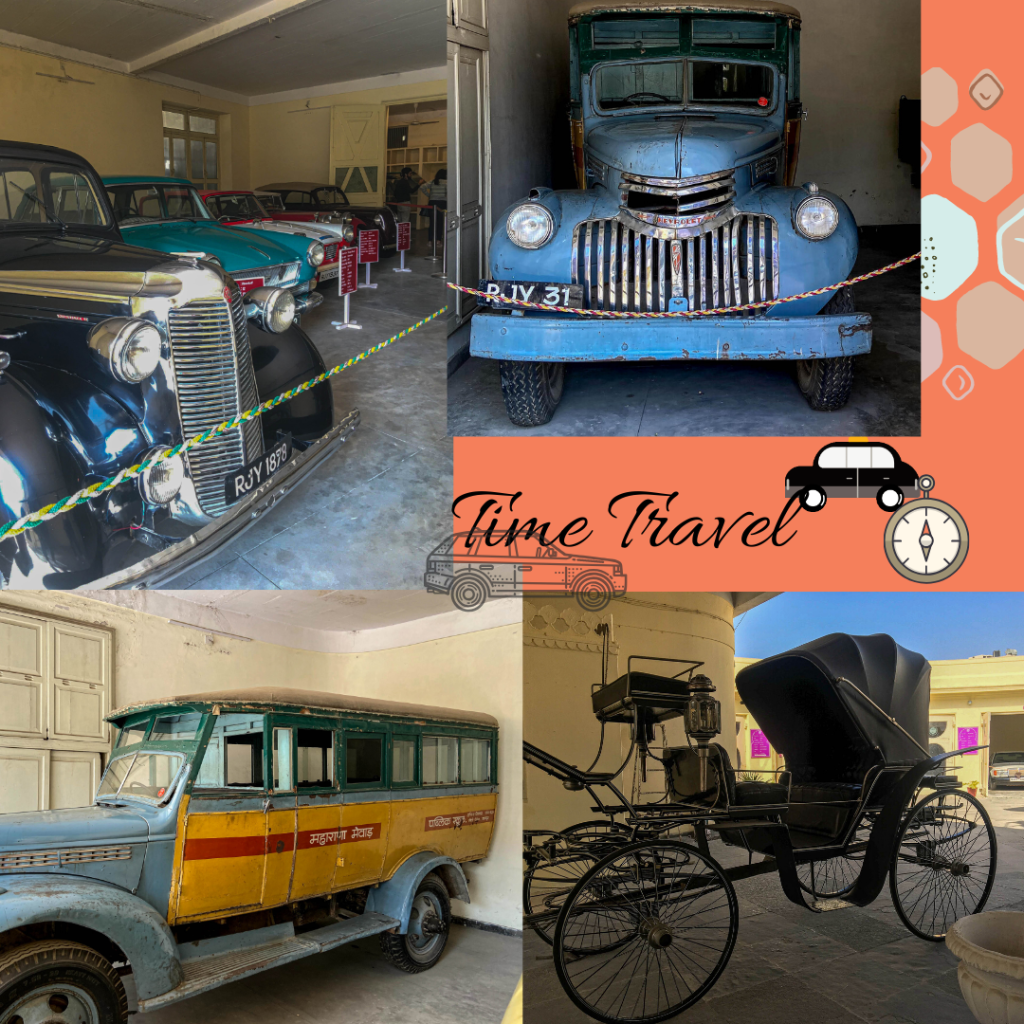
Bottom: R- Royal Chariot used by Maharana on Holi to tour around the city
Over 70 years old, these cars have been restored and maintained well and are continued to be used on various occasions. Each model has an information board with details like name, tank capacity, country of manufacture and so on. But that’s all it provides. Fortunately for us, we managed to convince one of the employees (otherwise present only to monitor the visitors) to give us interesting insights. (I cautiously recorded all the info that irked him, since I had to repeat, for the fear of being caught because his work required undivided attention while supervising there). Adding to the idiosyncrasy is an original Shell petrol pump in a usable condition. There is also the HRH group owned Garden Hotel & Restaurant that has hosted several music festivals over the years. While the driver expected us to be back in 20 mins we took over an hour gathering all this information.
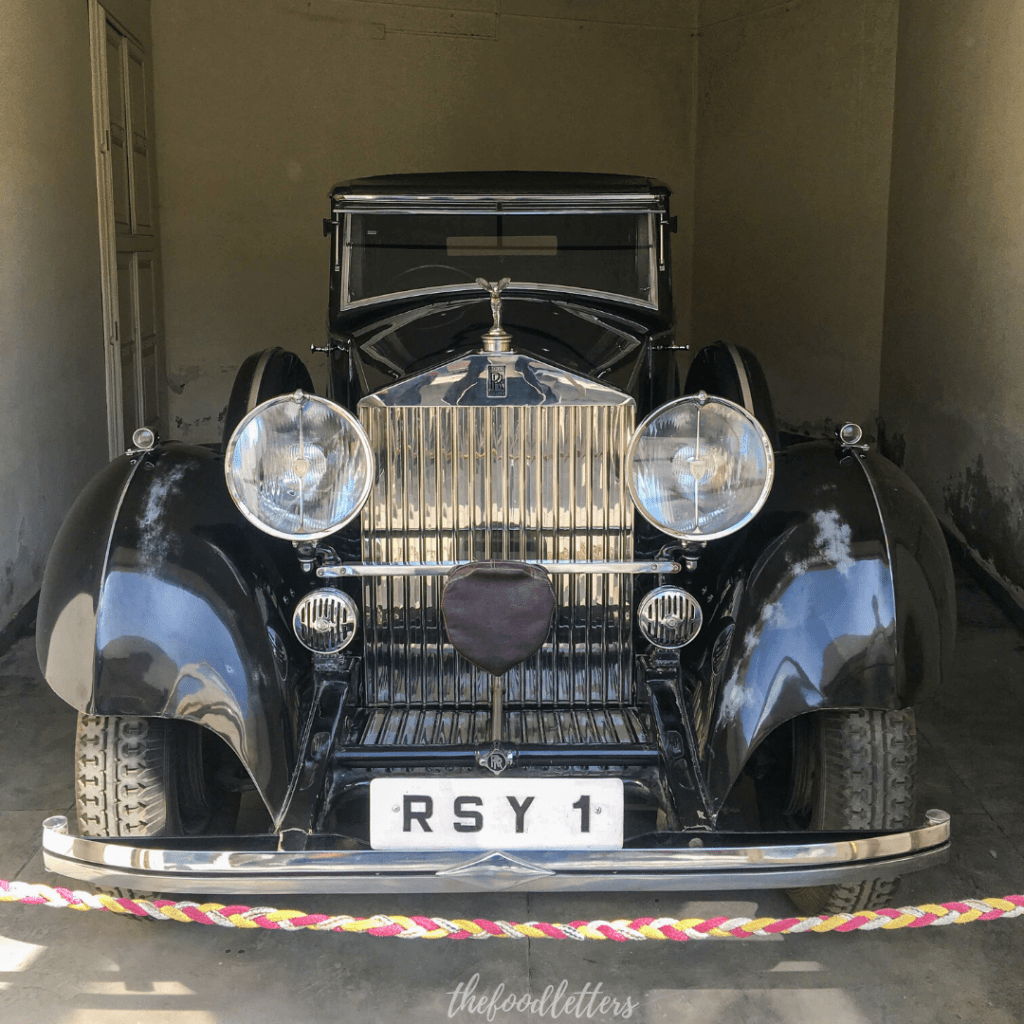
1934 Rolls Royce Phantom II, is the first jeep by RR. Maharana’s favorite and also used in James Bond’s Octopussy shot in 1983. 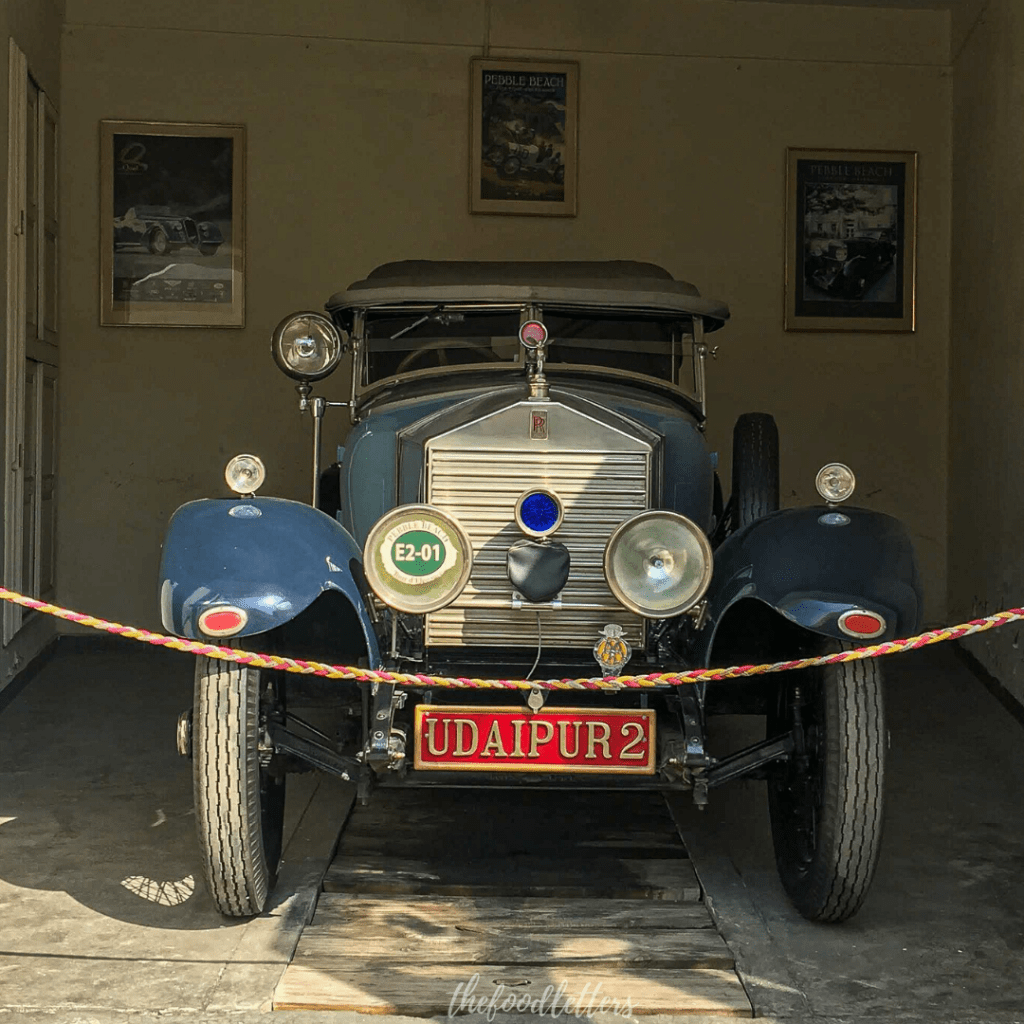
1924 20HP Rolls – Royce, one of the firsts acquired by The House of Mewar, a car designed by Royce himself. It is still used on various occasion by the royal family. 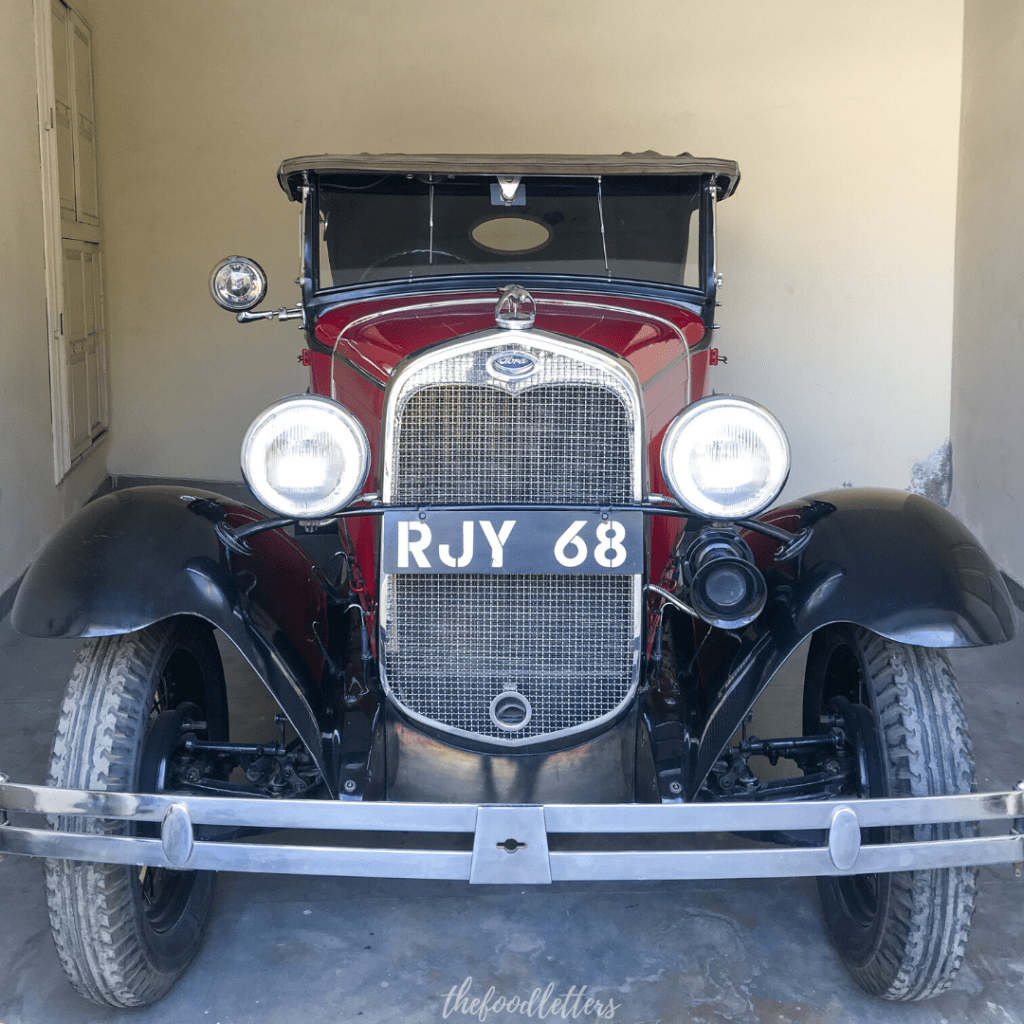
1930 Ford Model A Standard Phaeton. Used by Raveena Tandon at her wedding, it also featured in Salman Khan starrer ‘Prem Ratan Dhan Payo’ 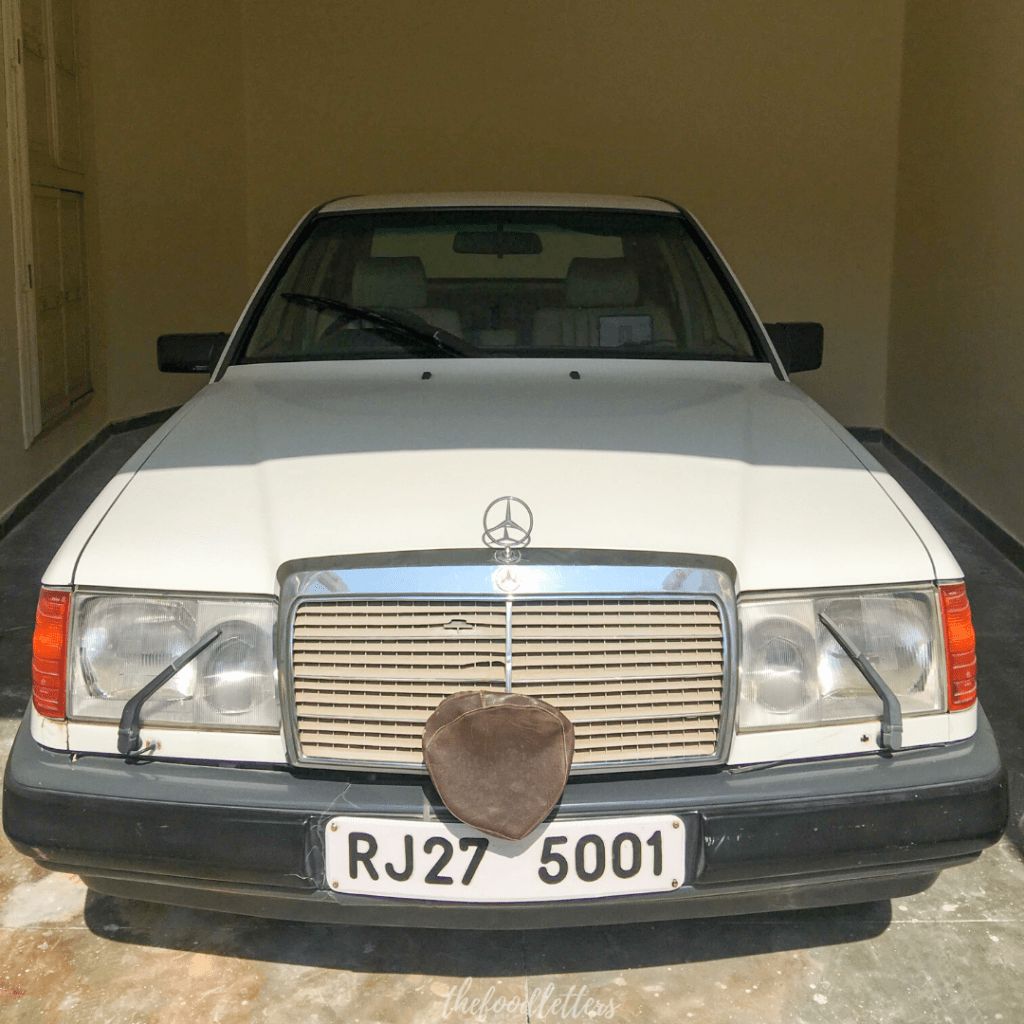
1989 Mercedes-Benz 300D. The first ones with a GPS system. 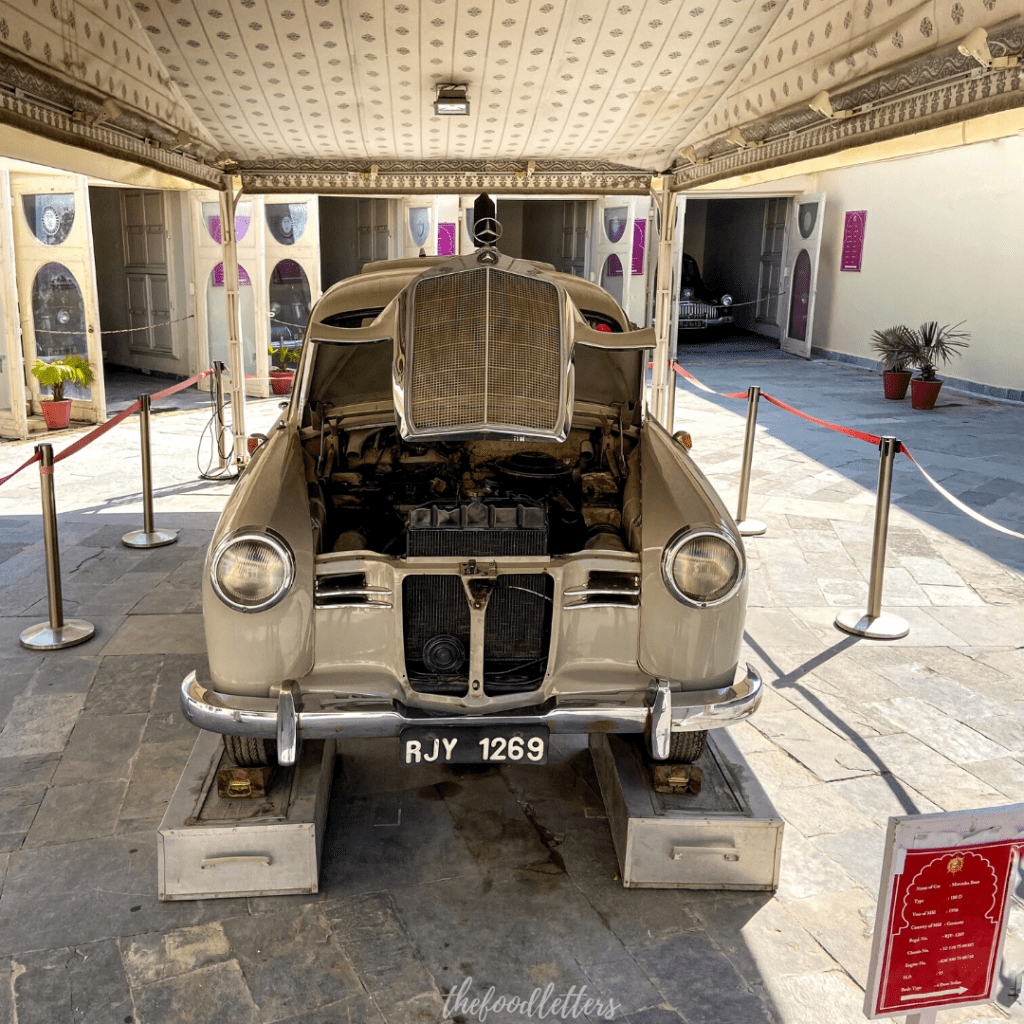
1956 Mercedes Benz with a real ivory steering. 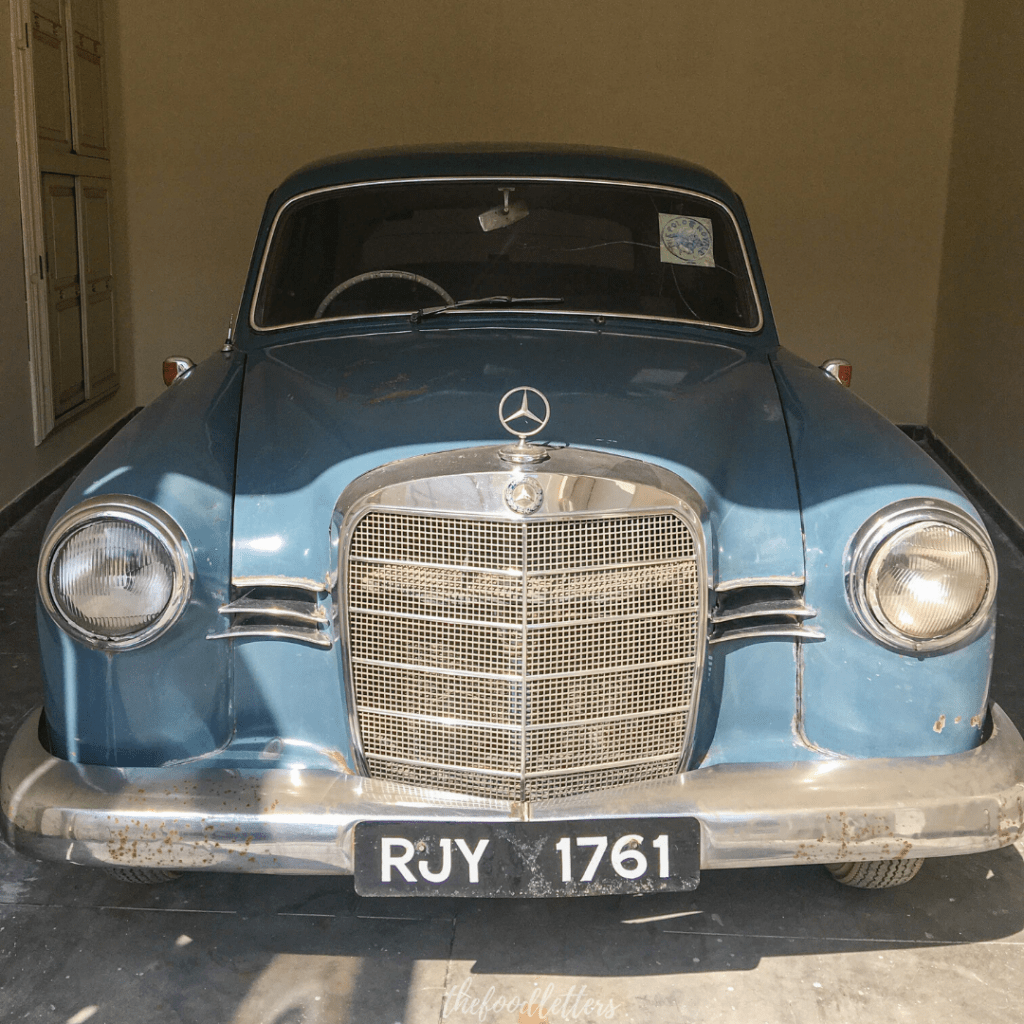
1960 Mercedes-Benz 190Db (RJY 1761). First one to have bucket seats and continues to remain in its original paint. 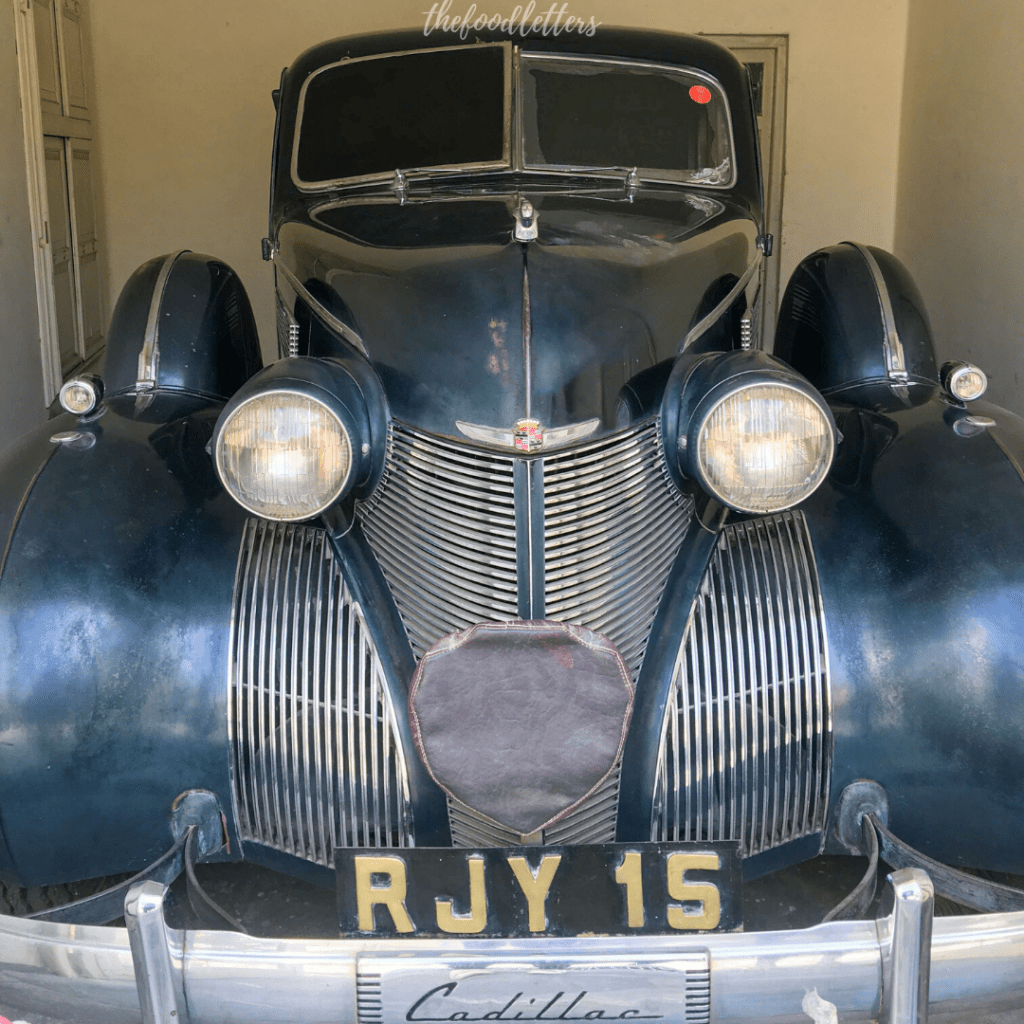
1938 Cadillac 7 Seater Formal Sedan by Fleetwood 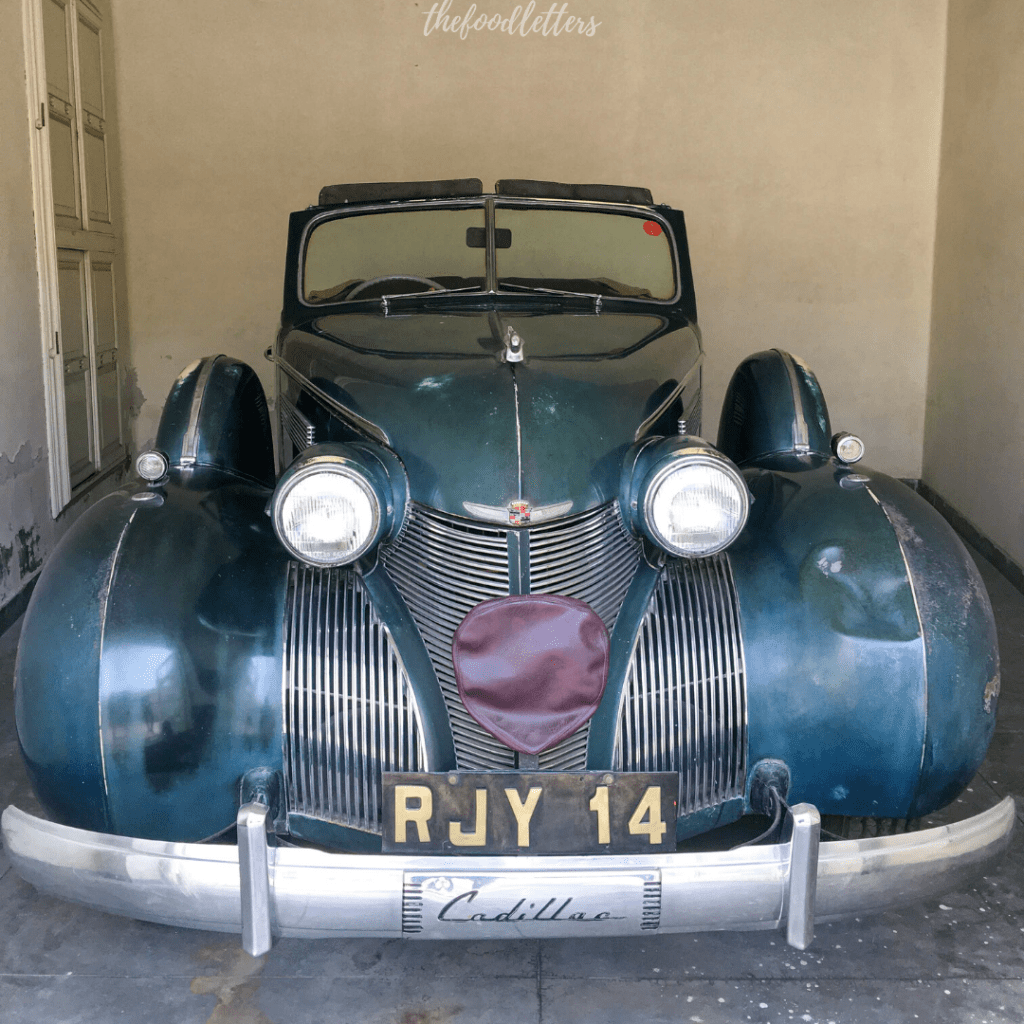
1939 Cadillac
L- Maharani’s personal car with a curtain and microphone installed inside to communicate with the driver and a black glass on the car is to ensure privacy when Maharani herself drives the car.
R- Cadillac used by the Maharana. The car was also used during the visits at Udaipur of Her Majesty the Queen of England in January 1960 and the Shah of Iran in 1968.
It was 12 noon by the time we were FINALLY DONE! At least, that’s what Ramlal bhaiya (our driver) must have ‘phewed’ about. Next up? The magnificent city palace or lunch first- confused us! But too early for a lunch and too less a time to cover the huge palace- is the puzzled look we gave each other. “Let’s go to Karni Mata temple that has a splendid view- advised our unofficial tour guide (aaare our driver) – I am sure he figured that at the mention of a temple these girls wouldn’t budge hence the ‘view’ was mentioned.
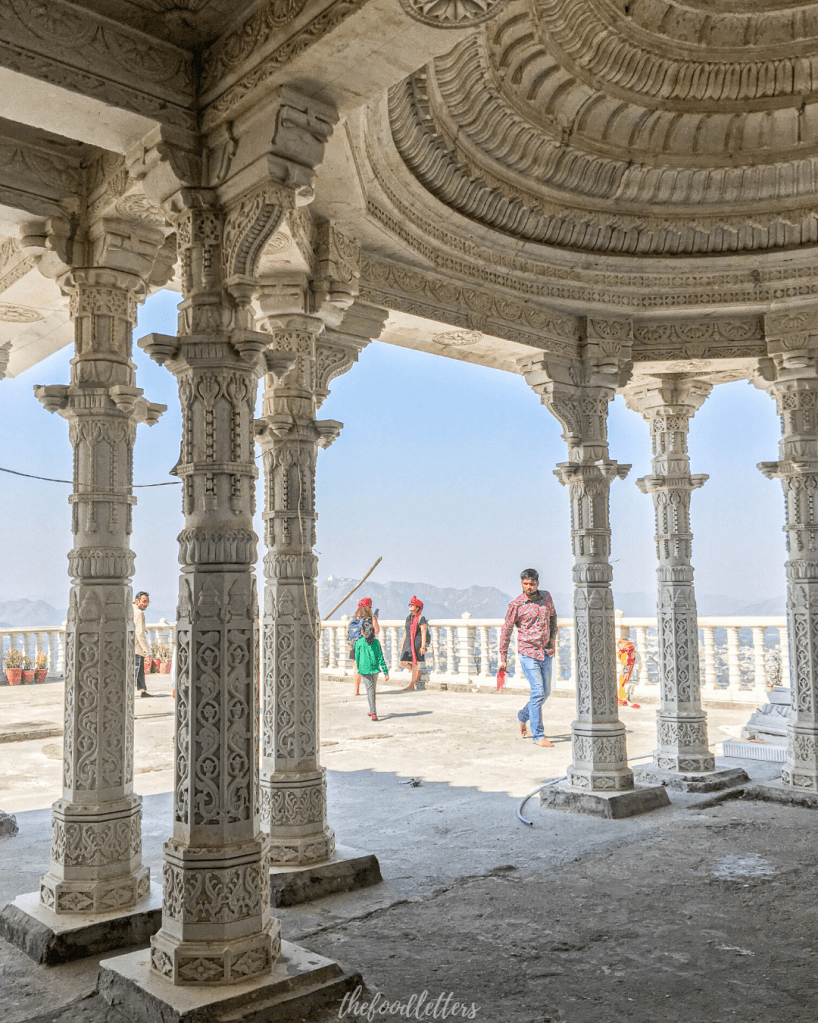
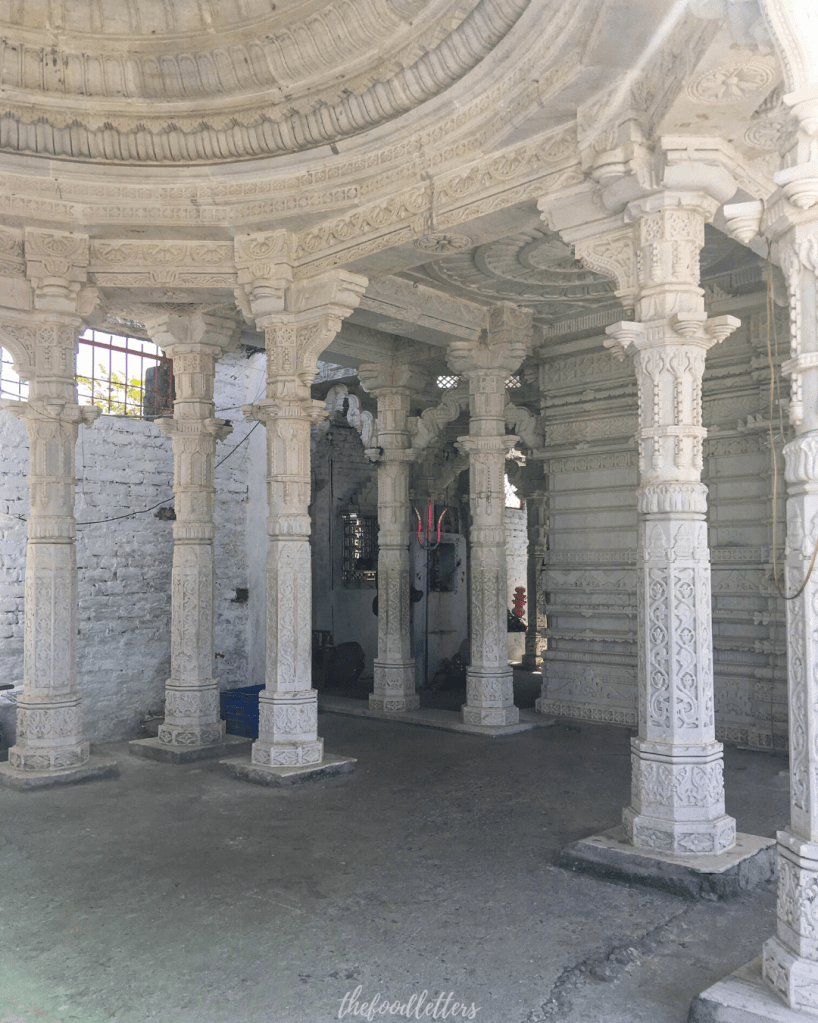
Shri Manshapurna Karni Mata Temple- Reached in 15 minutes, we joined the neatly organized rope way queue. As you alight the rope way, on left is a food court & play zone, and on the right is the temple with a panoramic view of the city. Udaipur in one glance! We took a right and walked our way up while enjoying the spectacular view.
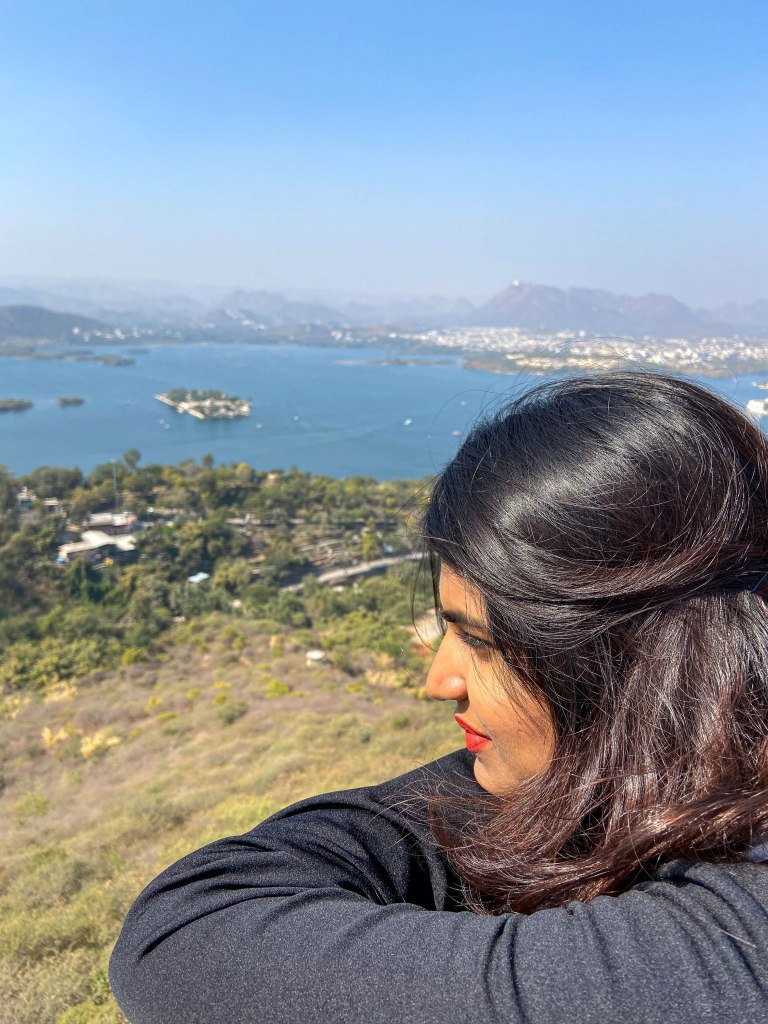
Let me be! 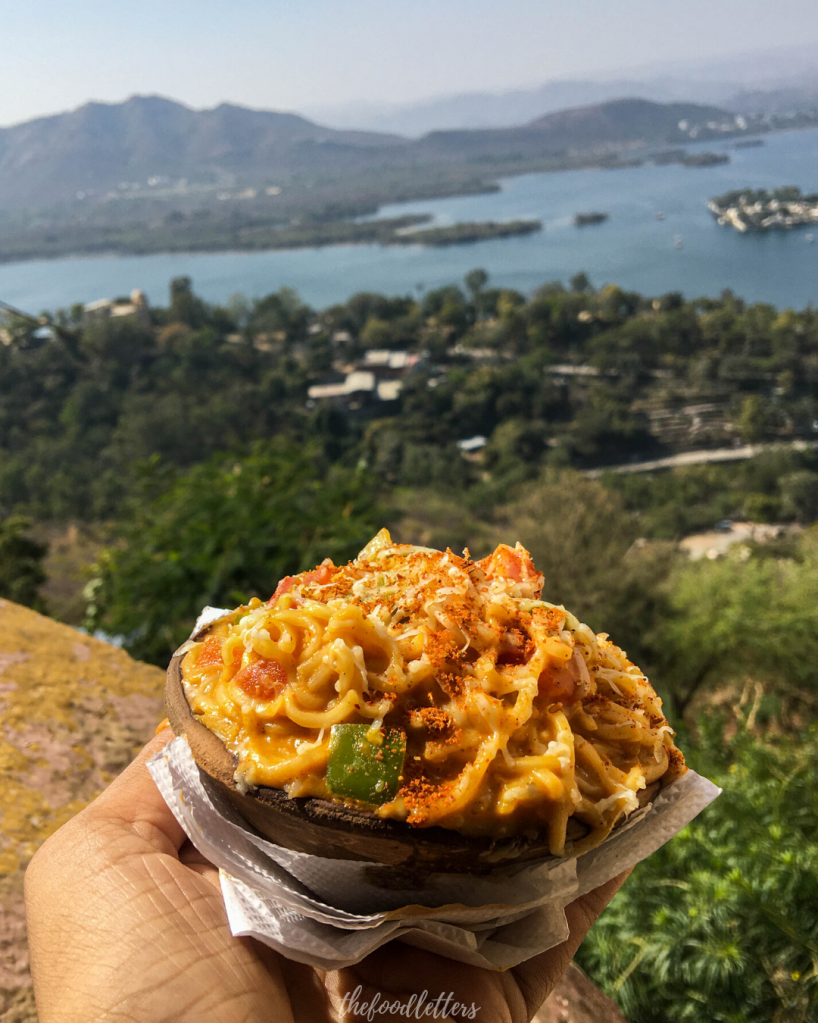
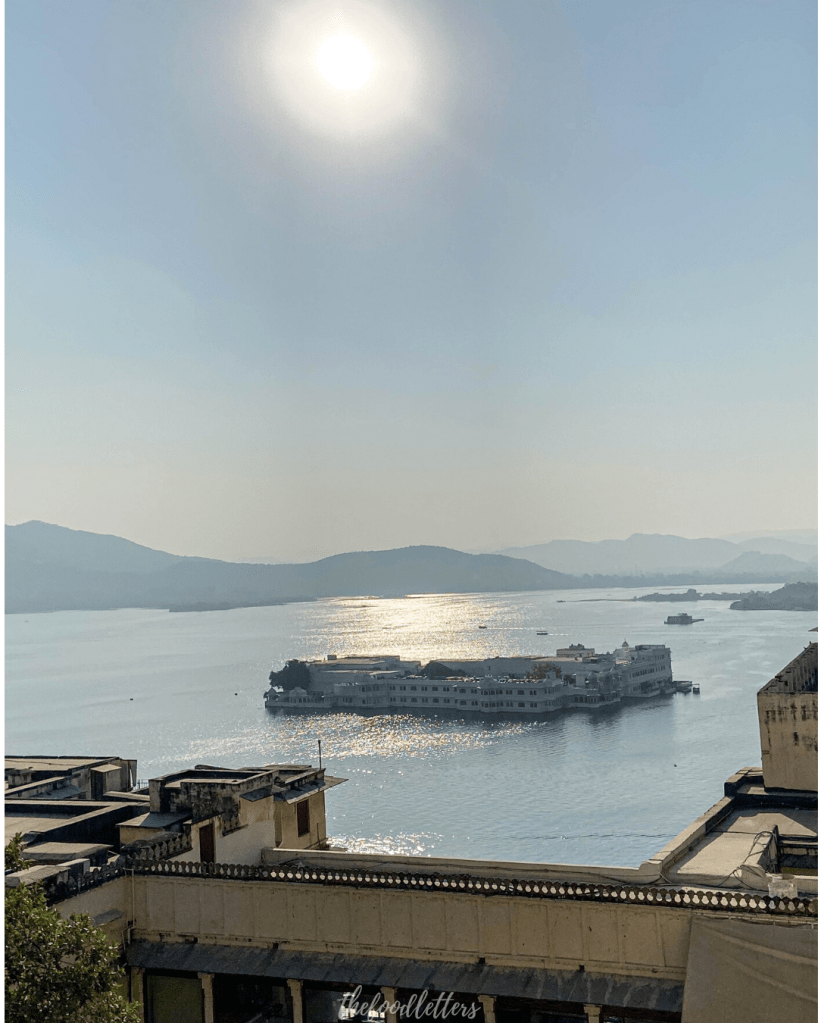
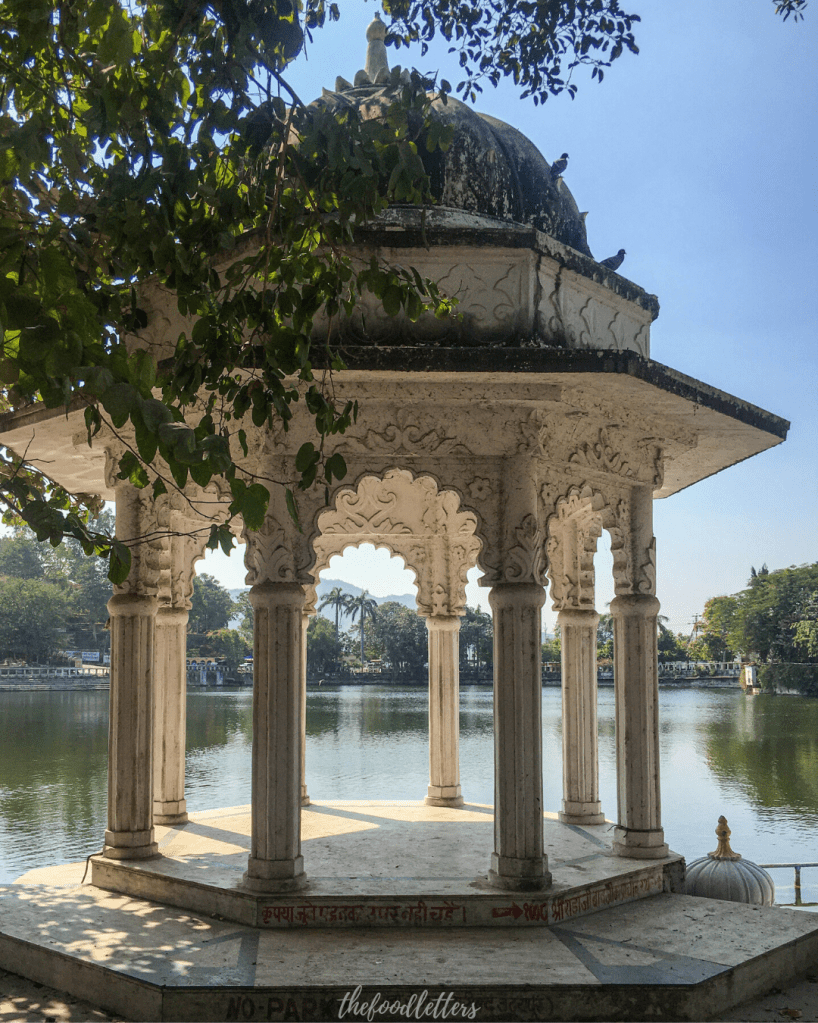
L2: The Taj Lake Palace, former Summer Palace of the Mewars converted into a hotel in partnership with the Tatas in 1970
R2: Stopped on the way back from Karni Mata to capture this Jharoka a native architectural style
Maggi being our starters we headed for lunch (restaurant we visited is here). We finally arrived at the Palace Complex. Synonyms of magnificent were surely to fall short such was the place. We learnt about the varying charges for Indians in general, students and foreigners and although my friend did have a student ID making the tickets much cheaper the process required some efforts. At the counter, lethargic from a sumptuous meal I decided to rather pay more for which I was given STARES too. 😛
City Palace
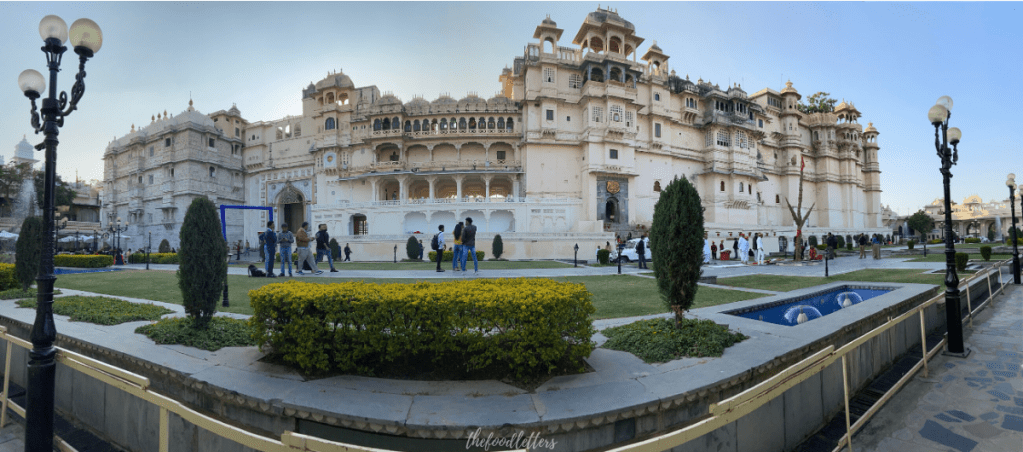
Towards the right. is a long stick commissioned for the Holi puja. Details mentioned as you scroll down.
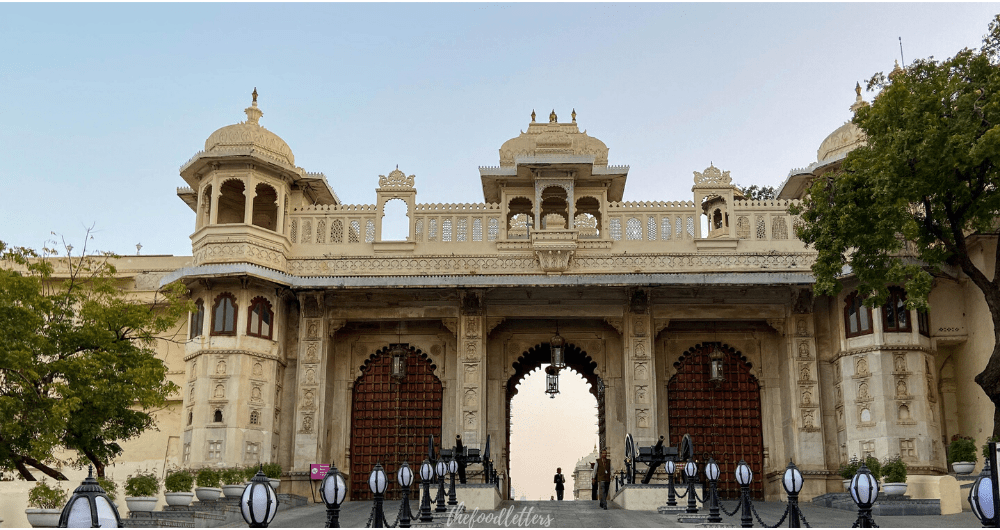
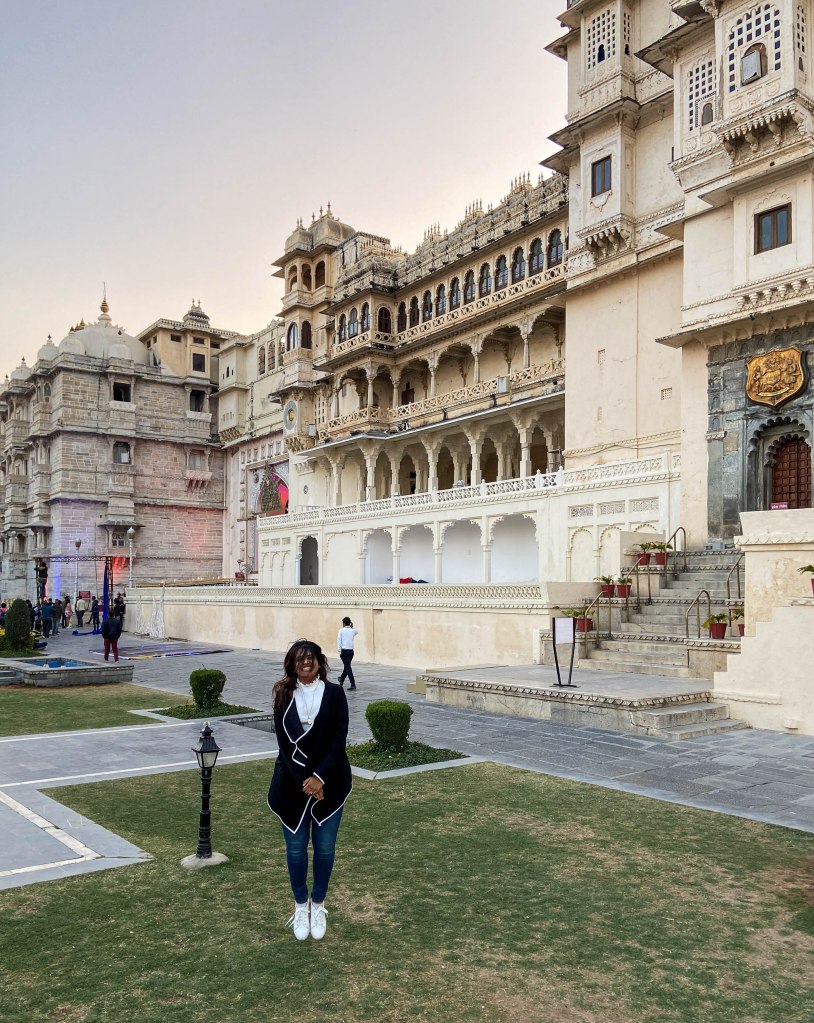
The second palace built in the country, after the famous Mysuru palace, is Udaipur’s 450 year old City Palace. The Palace Complex has 11 smaller palaces well interconnected besides the otherwise secret passages for Maharanas to access only. A flamboyant structure, the foundation of which was laid by Maharana Udai Singh in 1559, has been built over 400 years by 22 generations. Inhabiting the palace with a family of six apart from his married daughters, Maharana Arvind Singh is the 24th generation.
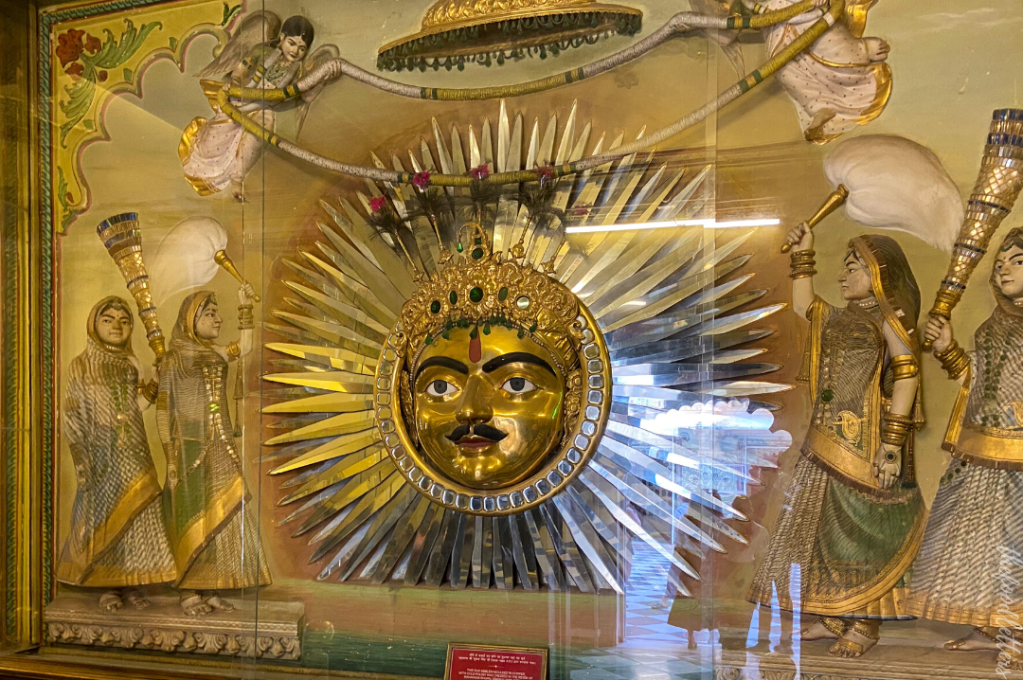
While Royal family of Jaipur are believed to be of younger son Kush’s.
The Mardana Mahal- First of the 11 palaces:
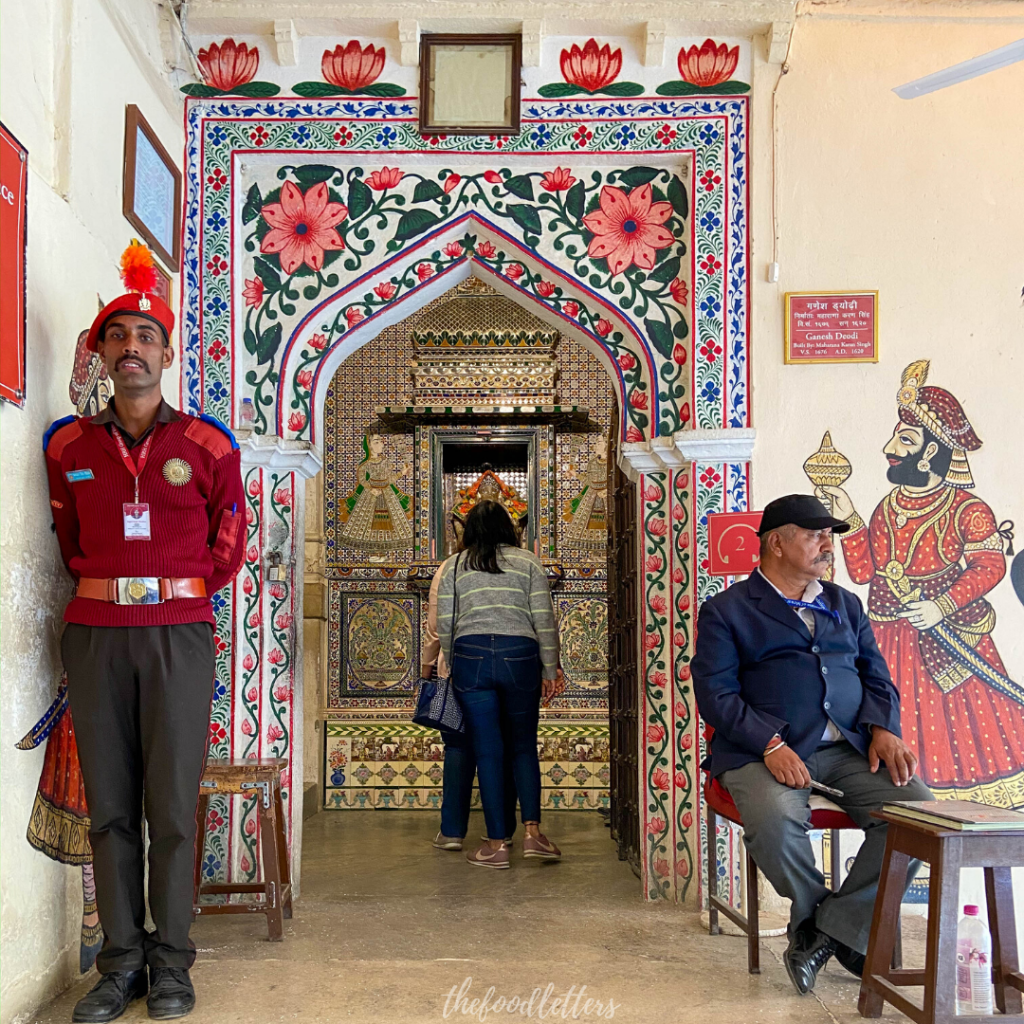
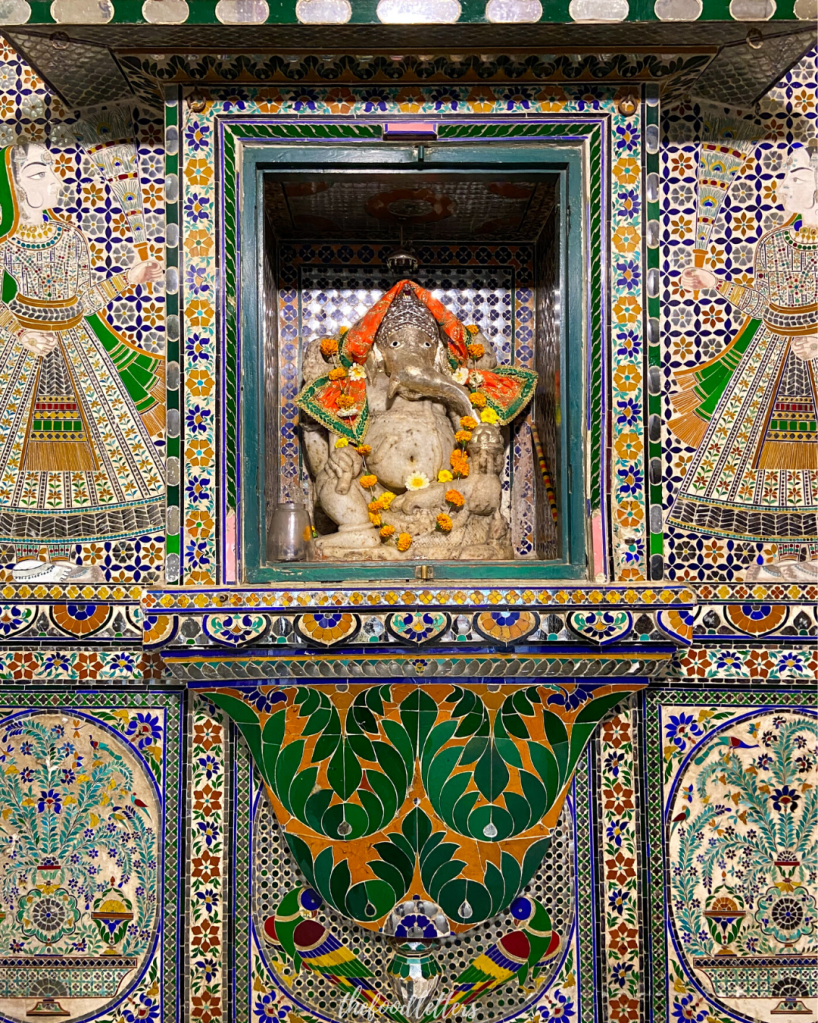
R: 400 years old and silver adorned Lord Ganesh’s idol made of a single piece of marble surrounded with Belgium glass. No king entered the palace without paying their respects here.
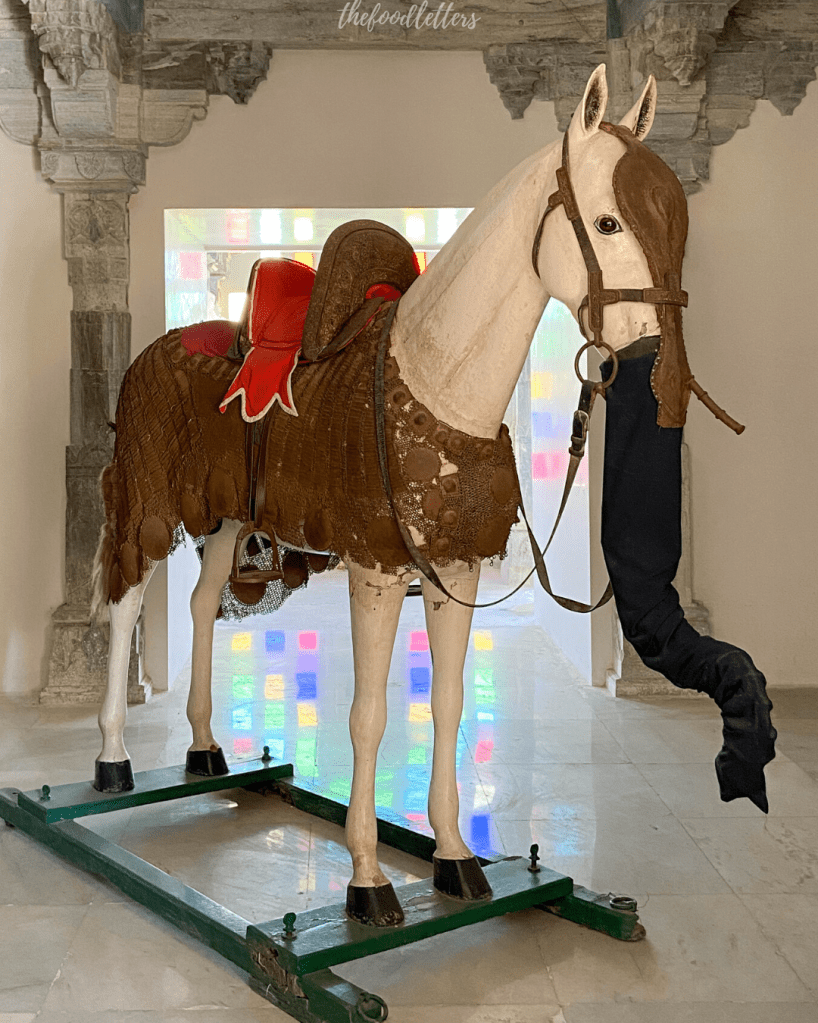
Leaving us in awe were a century old real crystals and floors laid with England’s famous Victorian tiles from 1930. Soaking in the facts while matching it with a display of fine architecture, there are stories depicted in varied art forms too. One such is of Maharana Udai Singh’s son Maharana Pratap who decided against living in the palace until he freed his territory from the clutches of the Mughals. The forest was his home for 21 years. Maharana Pratap’s favorite horse, Chetak, is talked about as much who played a heroic role in winning the fierce battle of Haldighati, a place 45 kms from Udaipur. A 1935 painting depicts a scene from battle where Jaipur’s commander Man Singh sitting on his elephant was attacked by Maharana Pratap. However, while the former dodged the attack, his elephant (Mughals trained their elephantry for fights and fixed swords near their trunk for attacks) attacked Chetak and left him wounded. Maharana’s commander Jhalamar came to the rescue and was martyred as he exchanged helmets with Maharana to save him while Chetak rode the king away from the battlefield leaped over a 22 feet wide river and collapsed dead. Although Maharana won the battle it was his horse who is remembered as a hero.
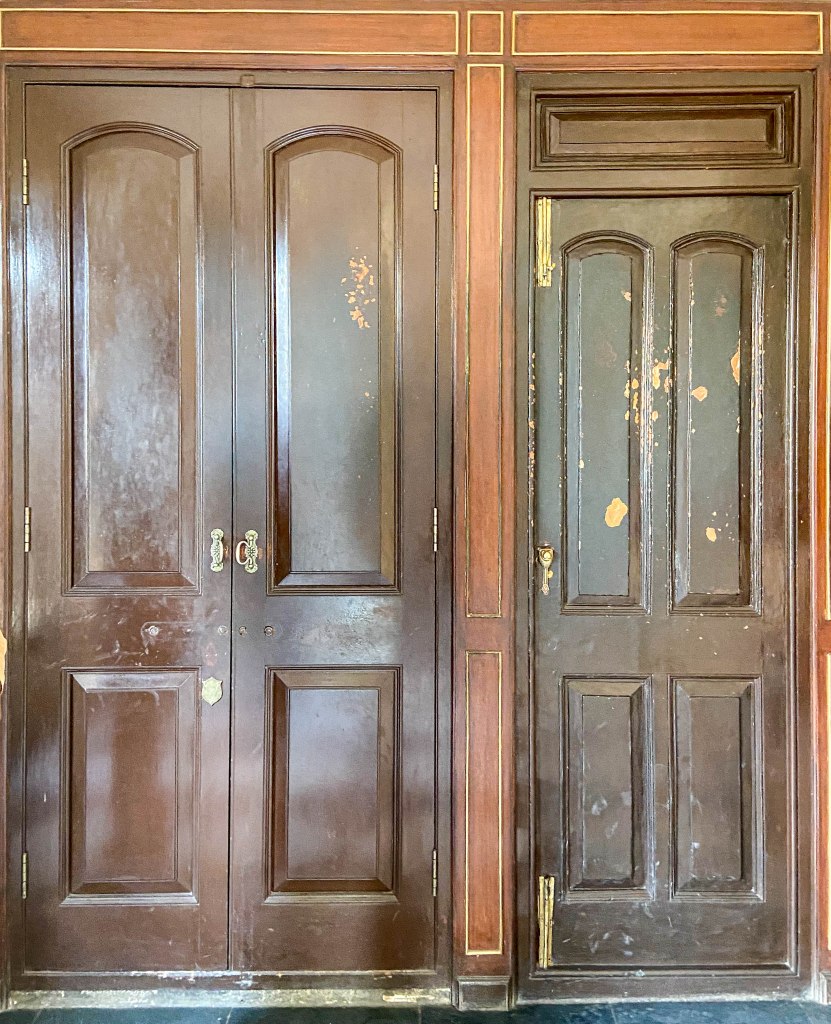
R: Fake wooden doors that Maharana would prank his guests by asking them to take the stairs behind it while he takes another path out
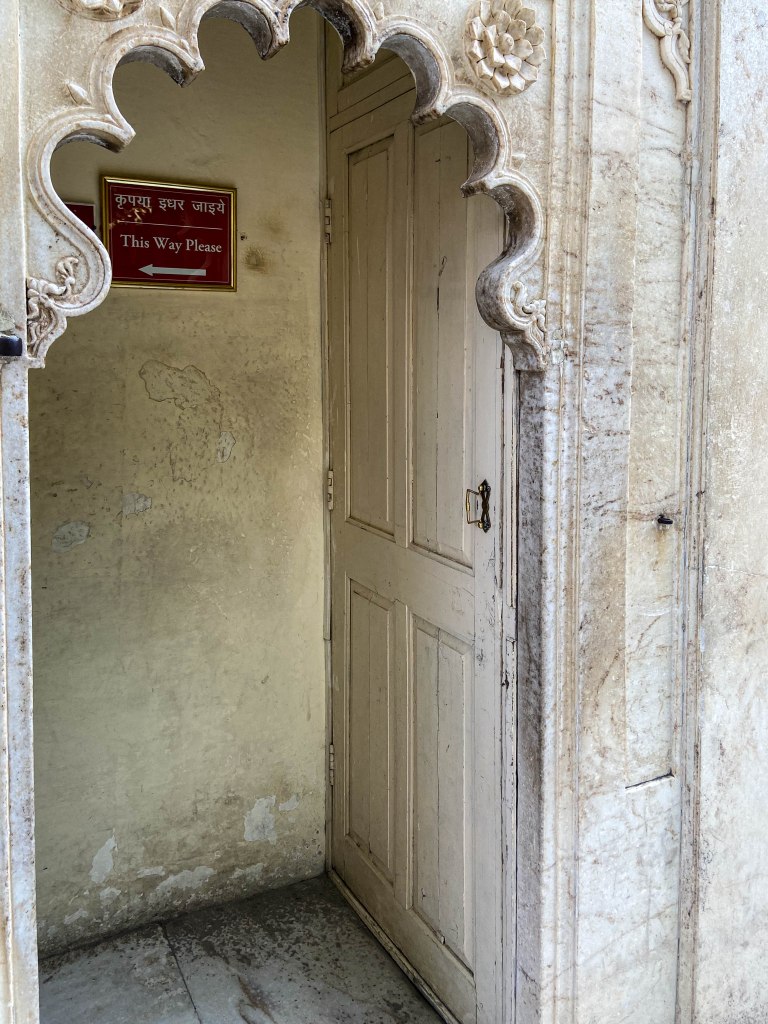
As a display of fine craftsmanship is a basin like structure made of one piece marble that used to be filled with 100000 silver coins. It was filled thus during each coronation ceremony which the ladies enjoyed from their Zenana Palace (Ladies Palace). The Kund has been thoughtfully built over the sage’s idol, placed on the ground floor, who is believed to have advised Maharana Udai Singh to build this city. The intent was to stop anyone from stepping over the roof housing this idol. Saving your heads from being hit by the small doorways the tour guide explains about the genius behind building narrow doors and pathway back then for palace security. In case of an attack, crowded entry could be prevented that way.
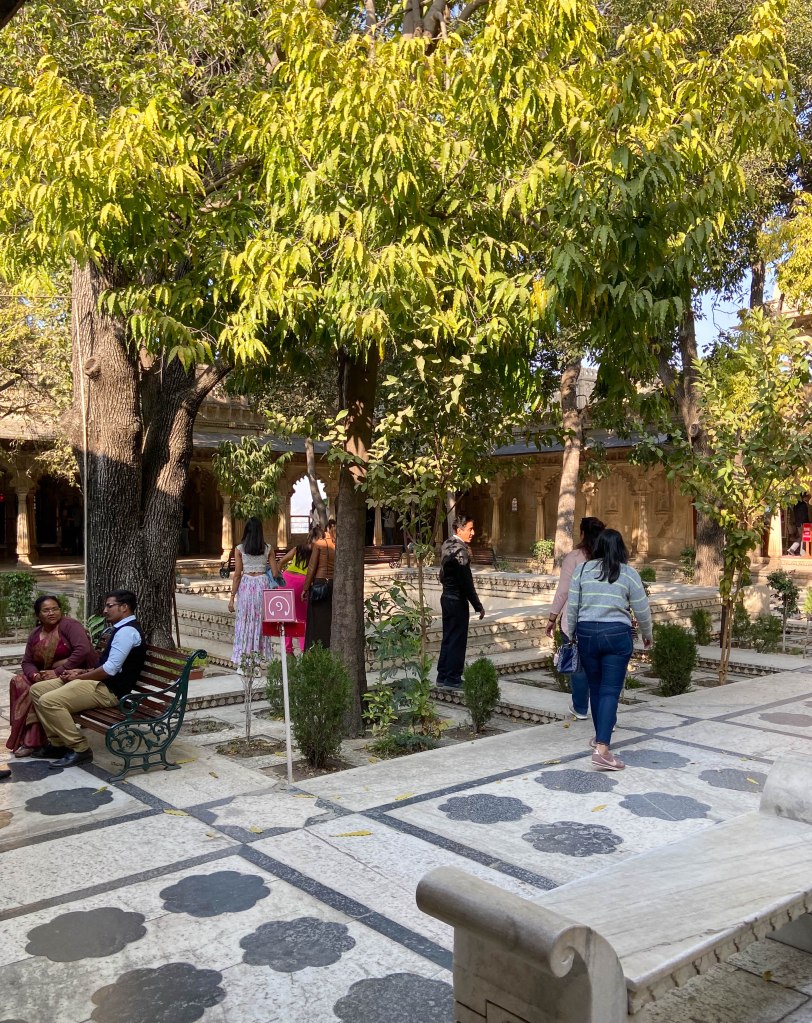
R: The Garden Palace
The Garden Palace- As we walk down we see a beautiful open courtyard, a private garden where the Maharana played Holi with his family and guests. It was last used for the said purpose in 1955.
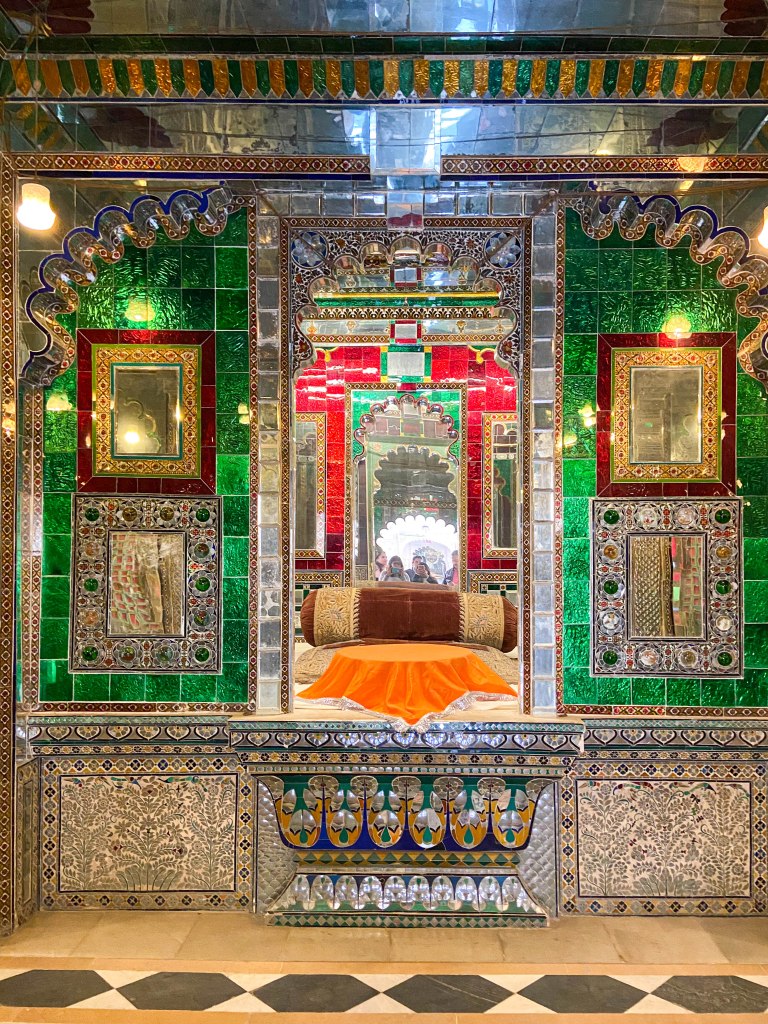
The Sheesh Mahal– First one ever to have a flooring besides the ceiling and walls, made of glass, all from the 19th century that was absolutely breathtaking.
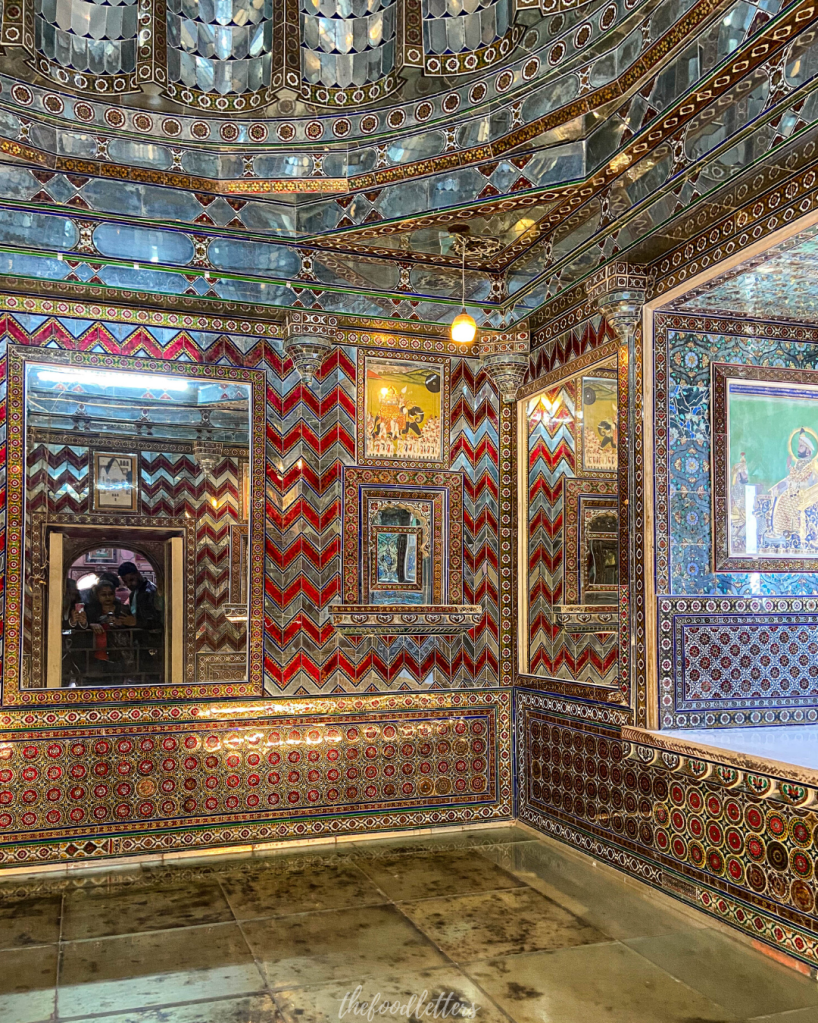
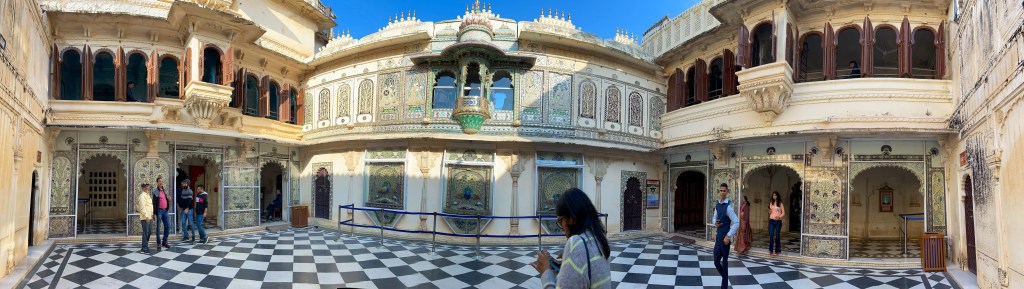
Luxury at its best is depicted in a 200 years old painting on the right from the Sheesh Mahal. Strokes of colors from a king’s life whereby seated are his 16 queens. Also, visible from here is the venue where Isha Ambani’s extravagant pre wedding rituals from wedding were staged.
The Moti Mahal– On the right of Sheesh Mahal is the Maharani’s special dressing room. It also bore colored glasses for her to enjoy the seemingly beautiful view of the city.
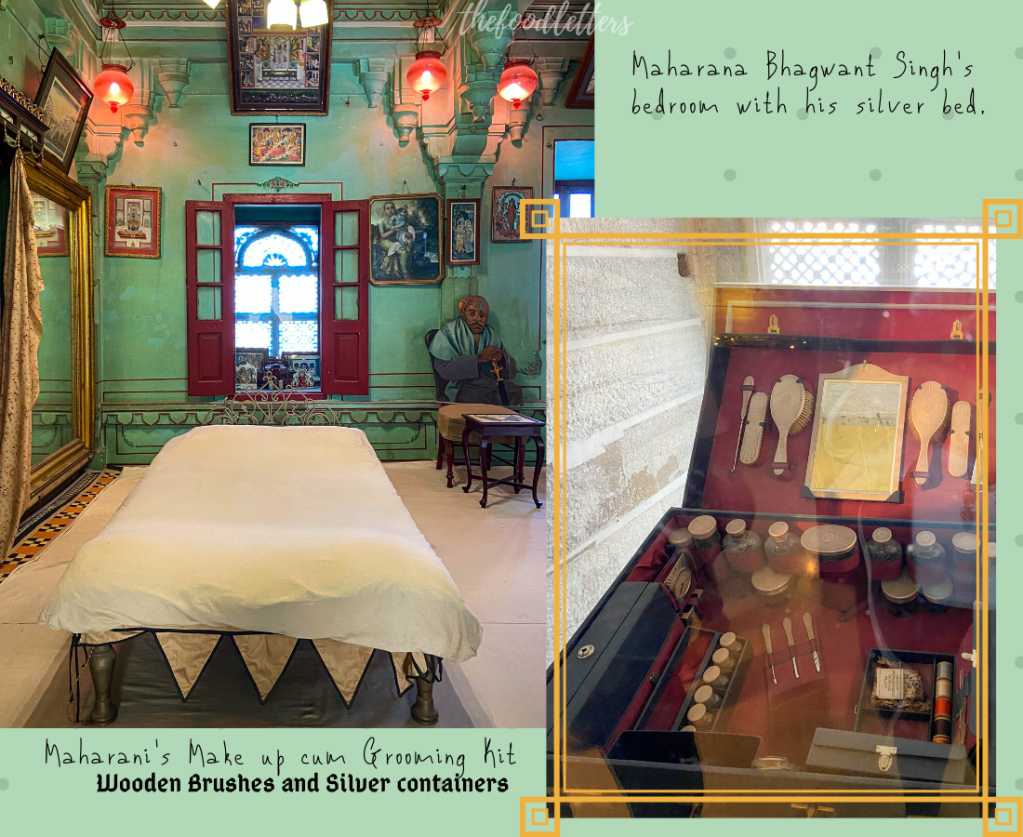
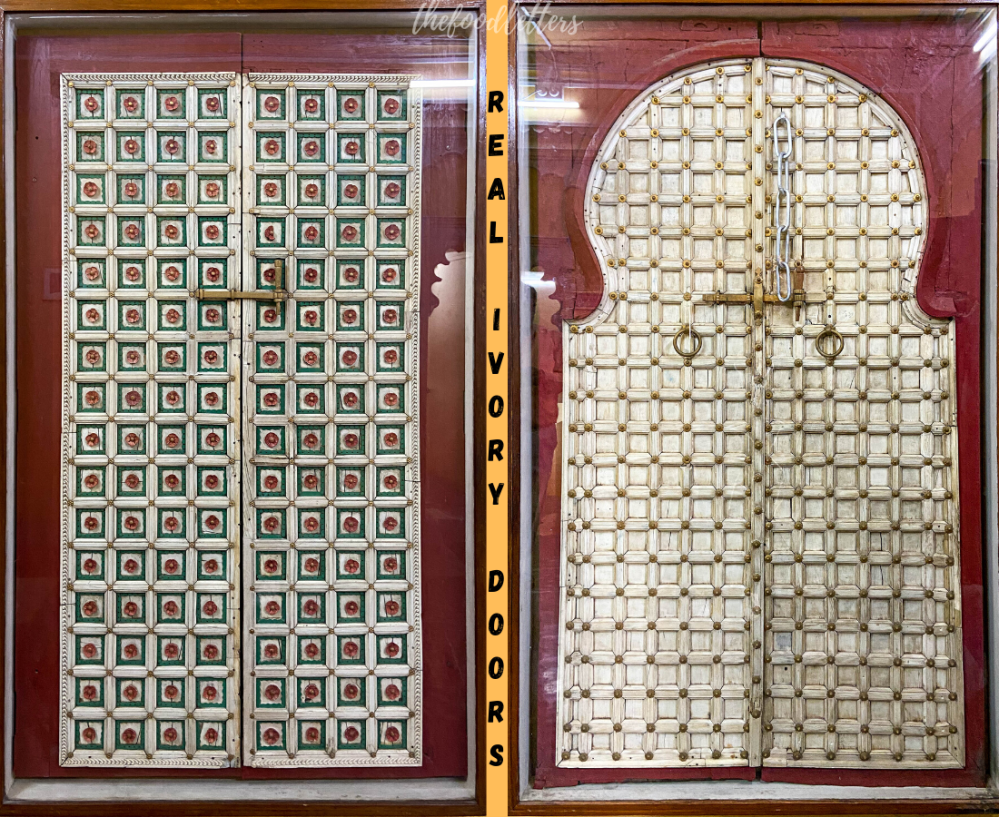
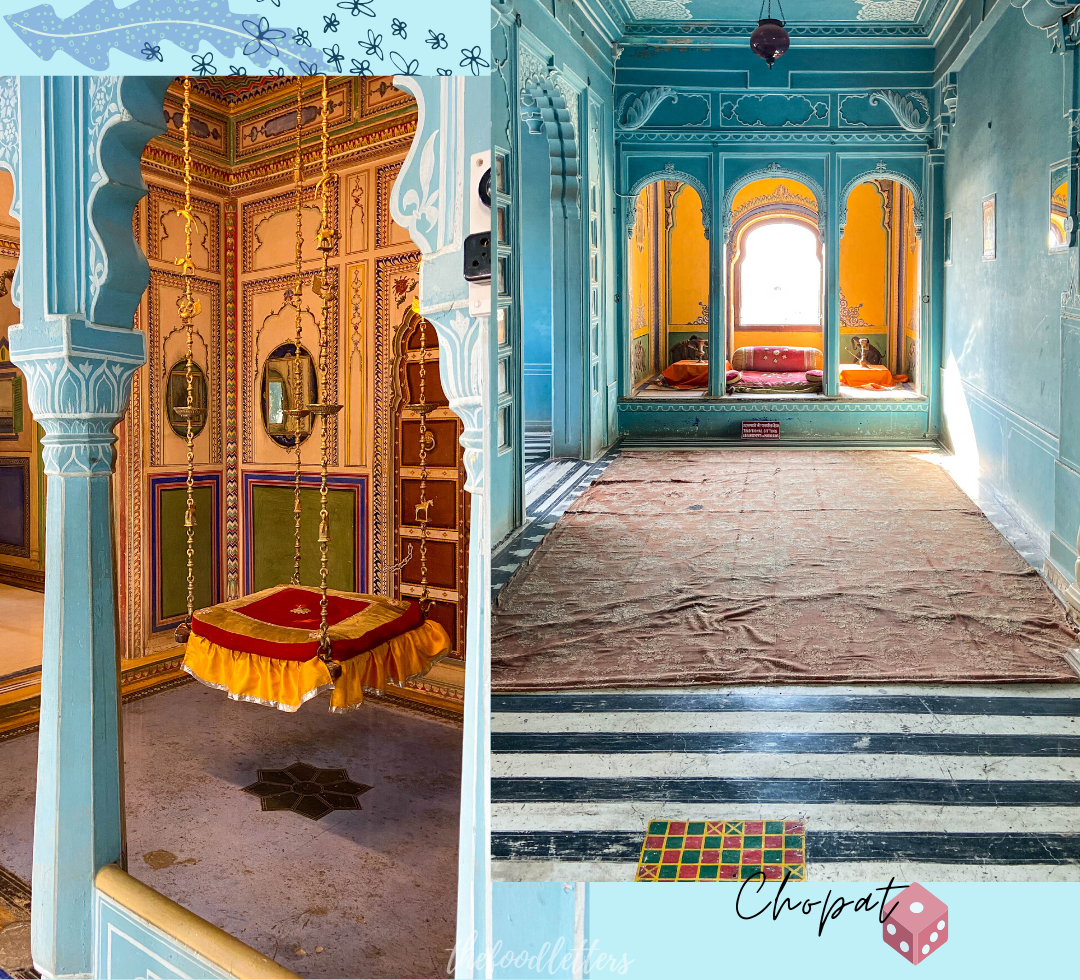
In all this that has become history, there is one thing that continues to witness the Royal family’s tradition and practice: The Bada courtyard where the family comes down to perform the Holi puja, preparations of which begin one month in advance. At a cost of Rs. 6000/ person dinner included, any one can experience the puja. An architectural marvel, with floors having sustained all the wear and tear for centuries while welcoming lakhs of globetrotters every year. Few artifacts preserved in the museum of the Palace Complex:
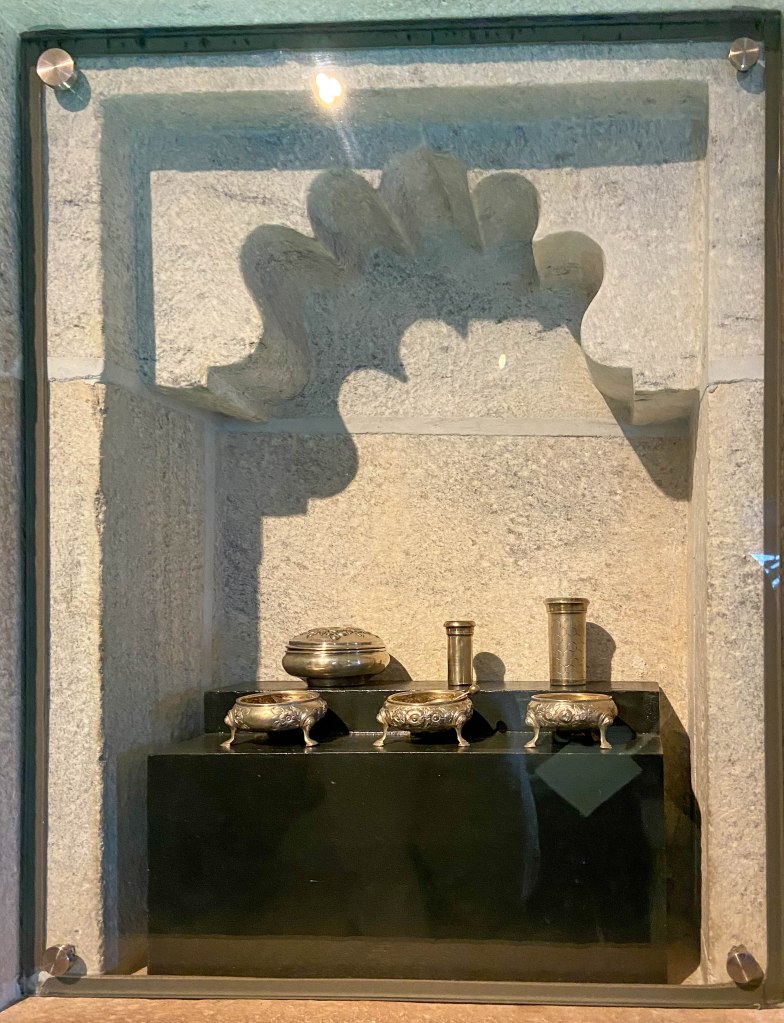
Silver Supadi Daan 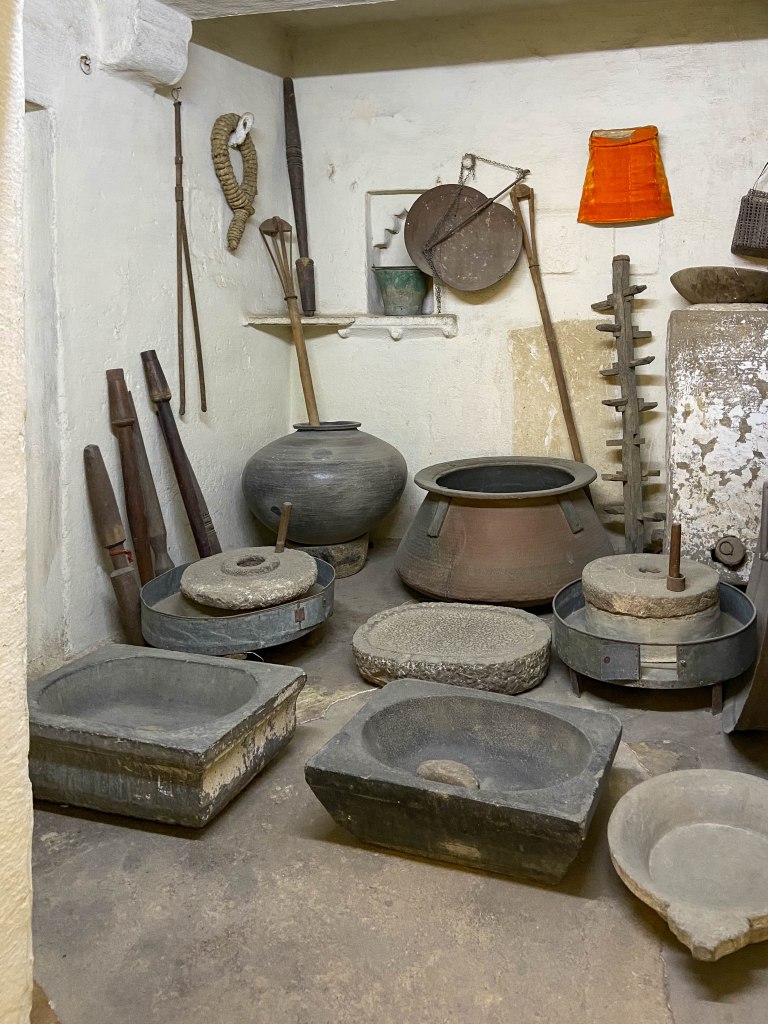
Original Brass & Copper Utensils used last by 23rd Generation 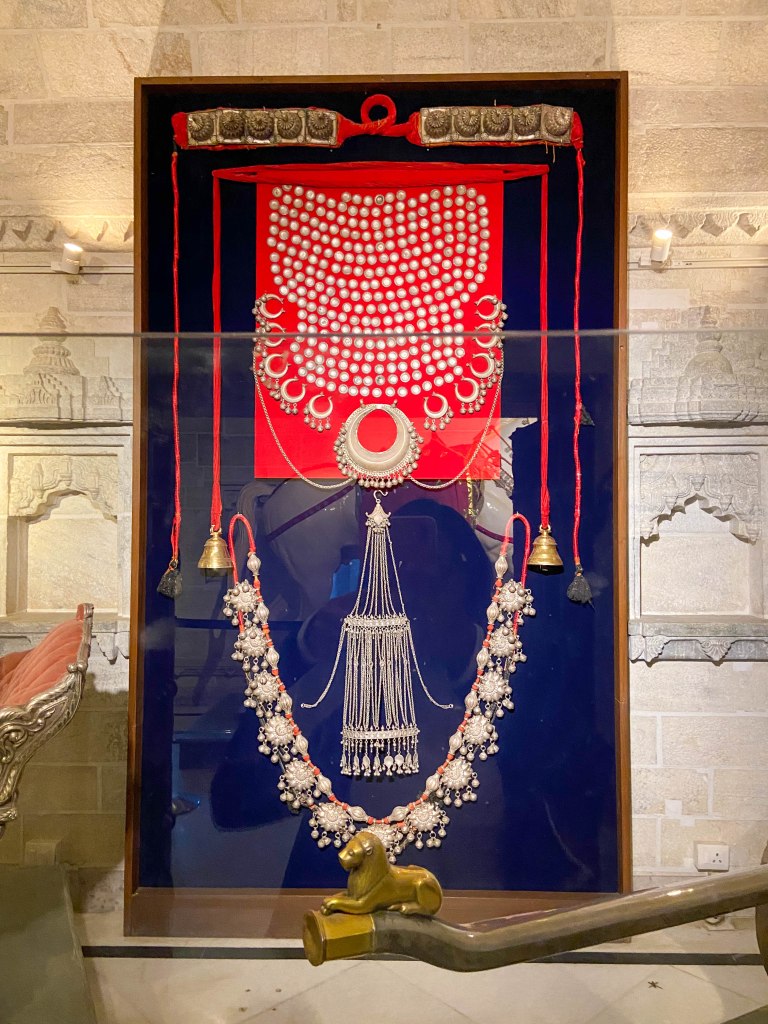
Gajabhorn- Ornament of Royal Elephant 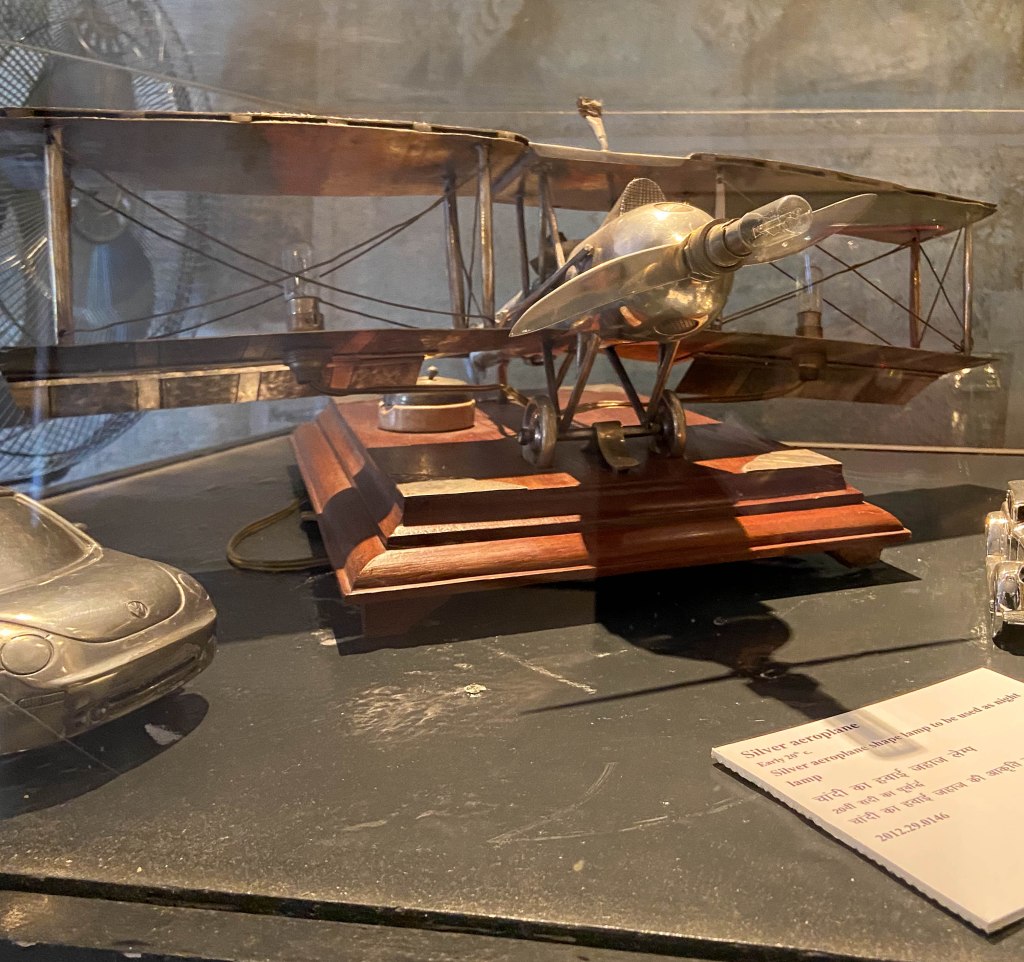
Silver Aircraft toy for Royal family children 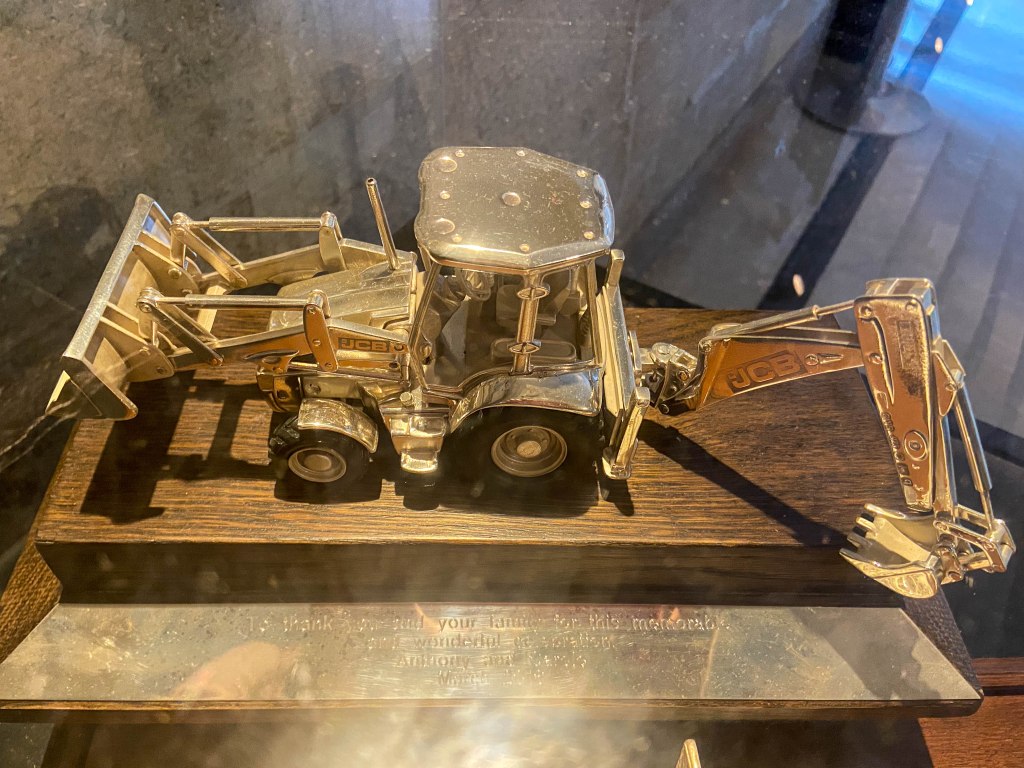
Silver Crane toy for Royal family’s children 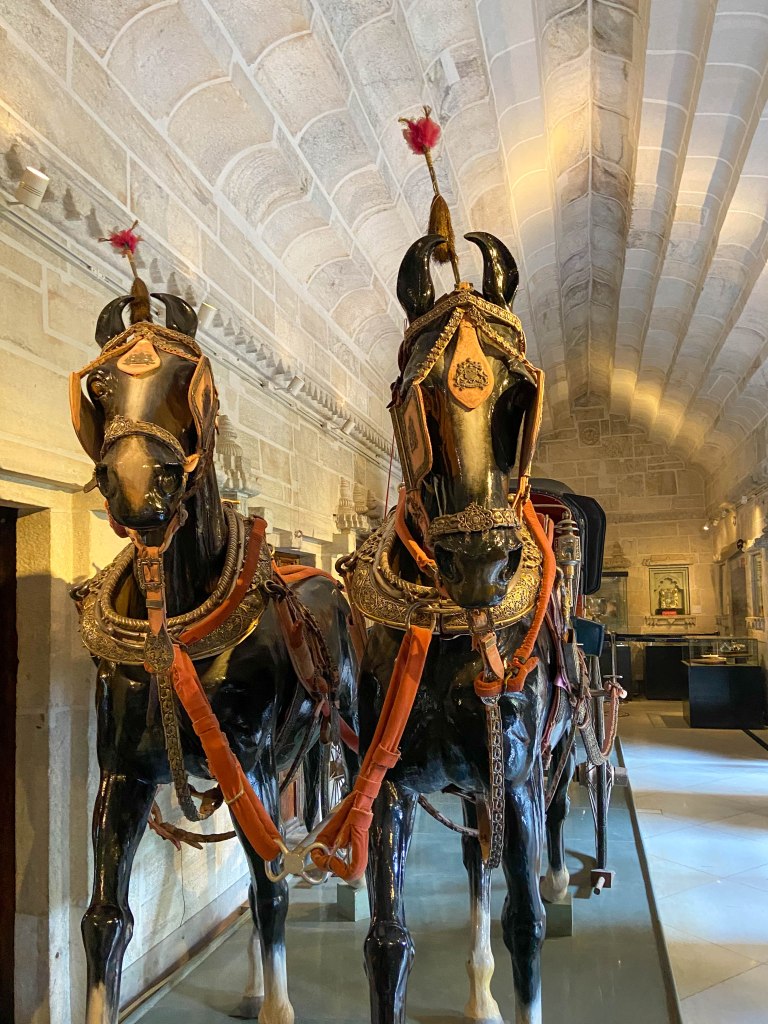
Silver Ornaments of Royal horses preserved on these statues
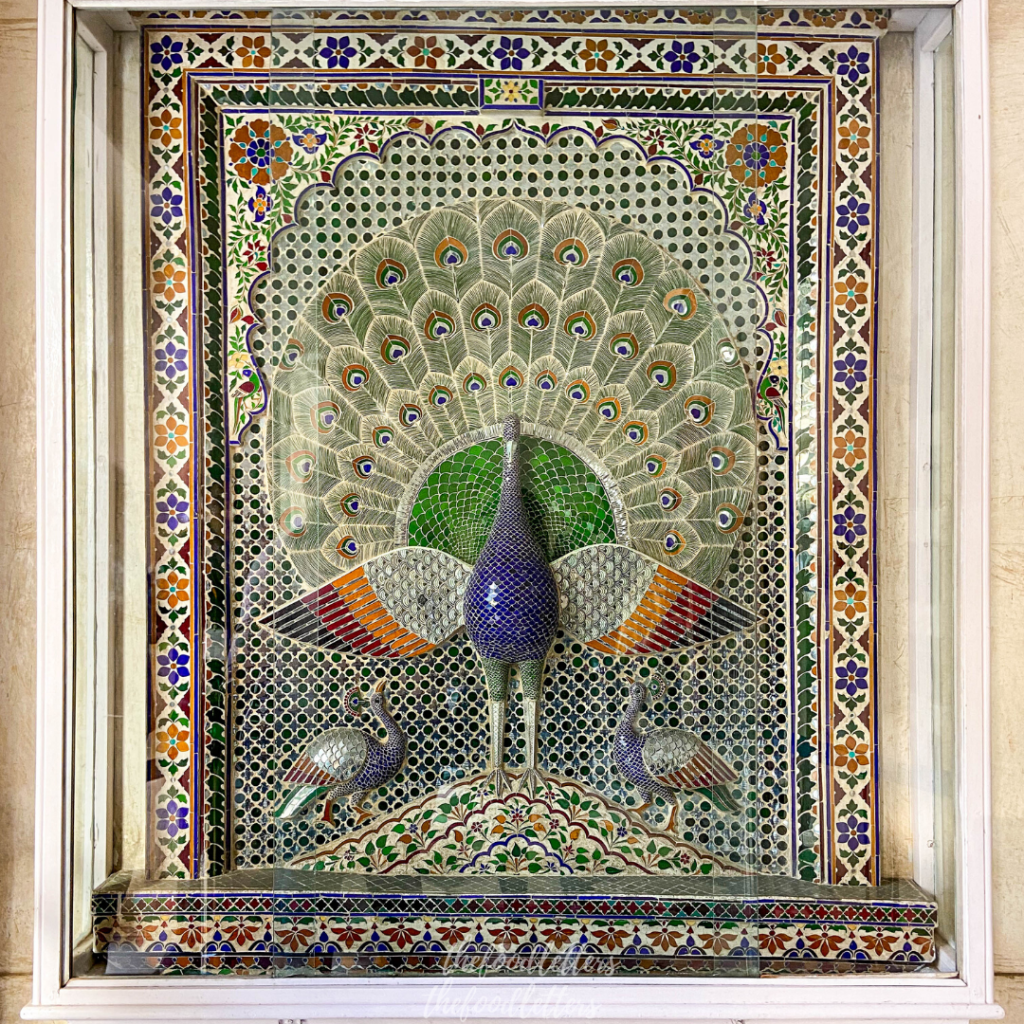
Sculpture made of glass and silver 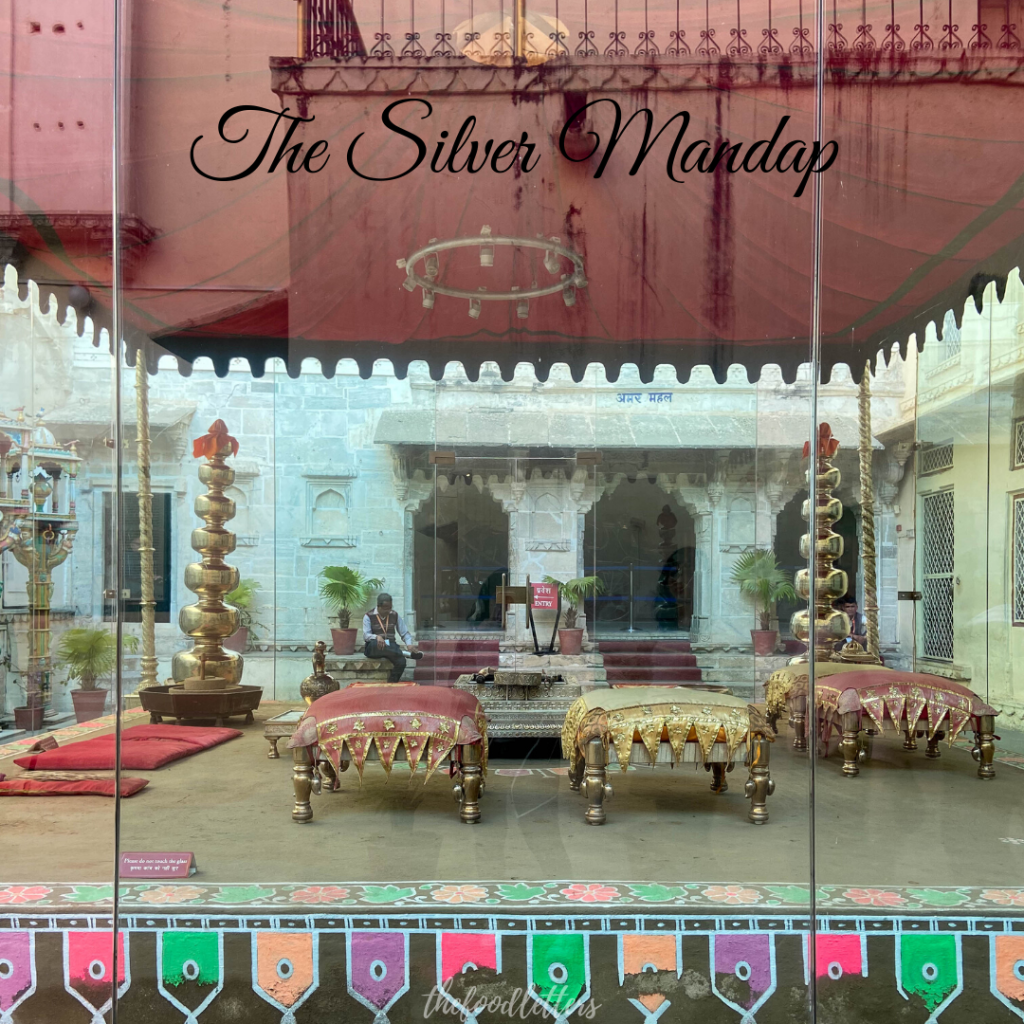
Maharana’s Dining Place
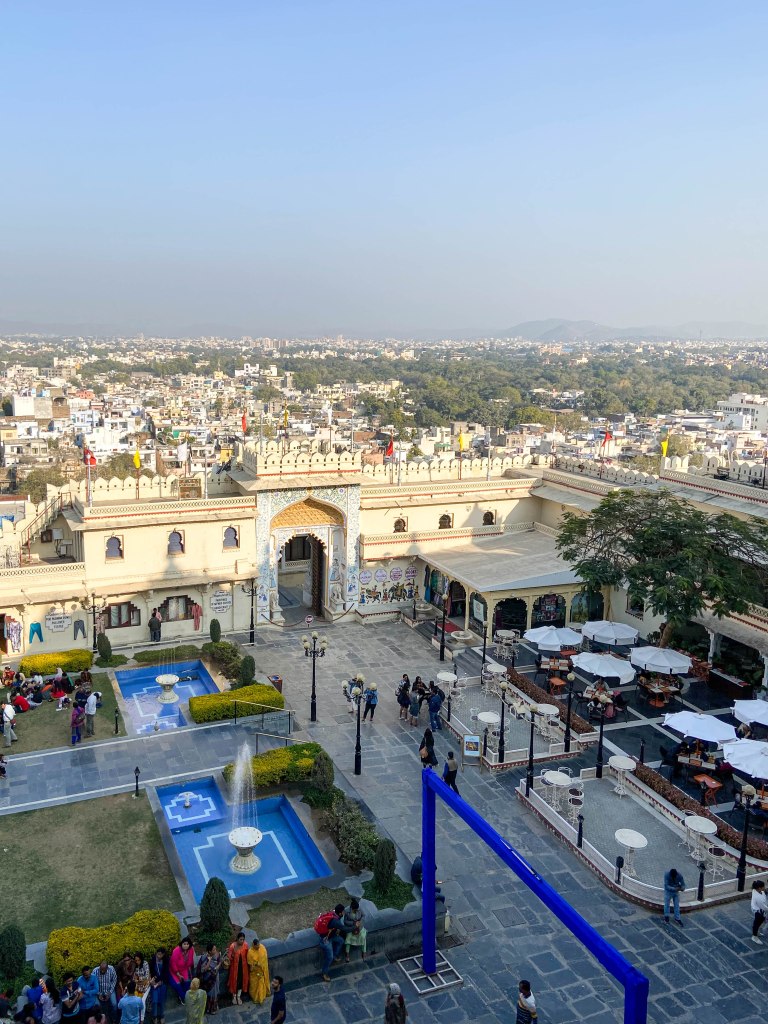
The Palace complex has various shops which focus on promoting art and craftsmanship from nearby villages. Mostly organically produced goods such as sarees made from tree, plants and fruits fibres is one such example. Determined to not buy anything, three girls walked out with bags of splurging. There is still so much to know about the history of the Mewar dynasty and only a revisit of the place would justify it.
Done with touring, it was a night, mostly, for food (details in this blog). After a long day we got back home to throw ourselves on the bed. While someone caught up on a missed Masterchef episode, someone read out memes from Instagram-, and me? I was busy creating Instagram stories to increase my followers!
Day 3:
Last night we slept with precise planning of leaving for Chittorgarh Fort, a 3 hours drive from Udaipur. Coming back by 3pm latest, going for the sunset boat ride that was skipped the previous day for the lack of time. All this planning came rambling down when I forcefully woke up at 3:30 am with a terrible stomach pain. Trying to keep up I waited for it to subside catching a nap here and there. I finally woke up at 5 am! I now see my friends in a worse state. Stomach cramps, vomiting, weakness and everything worsening. Traveler’s diarrhea joined us in the trip. We guessed it to be from the previous night’s street food. Our plans for the day now seemed difficult. I dialed back home to my uncle’s pharmacist friend and got a prescription. We decided to rest and leave a little later. The fourth forceful companion wasn’t going to ruin our trip. Hence, we took our and set out chances to travel. Few morsels of pomegranate seeds for breakfast, packed home food and fruits for the journey and we left at 10 am. We picked our medicines enroute and soon passed out in the car from all the lack of sleep. Post few puking sessions and stops enroute we finally woke up in Chittorgarh fort complex built over 700 acres. We must agree that waking up all grumpy and groggy lasted only a few minutes before bursting into hysterical laughter when we saw the tour guides prey on tourists even before one enters the fort premises. Unlike in City Palace, one here is approached by both tour guides- government and independent group of individuals. Where former charged Rs. 600/- we chose to pay Rs. 100/- for the latter, a terrible mistake made only to be realized later. Practically impossible to tour the fort on foot, we all hopped into our car and took off.
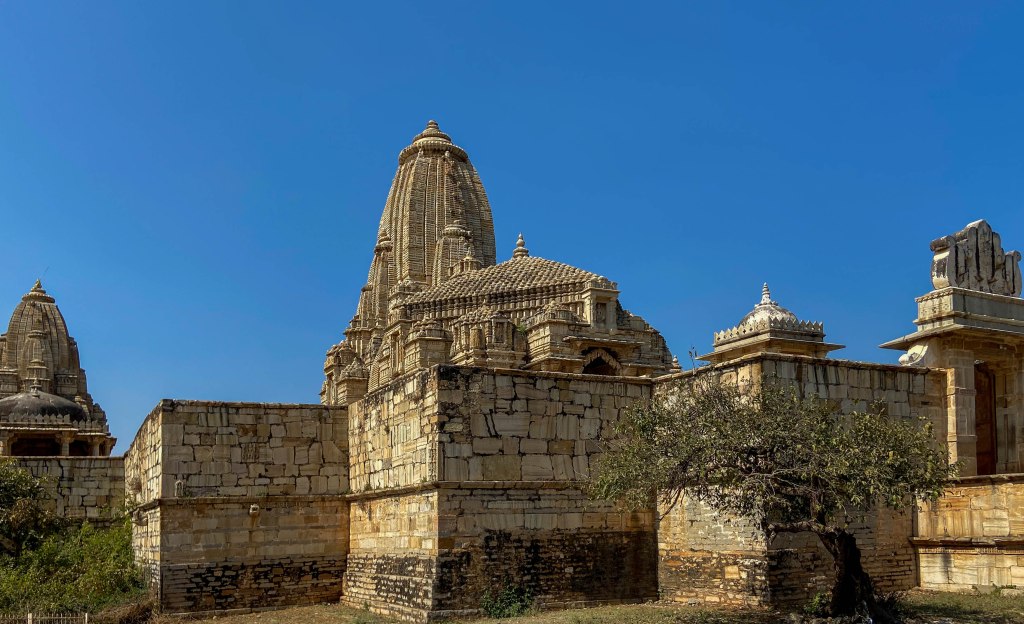
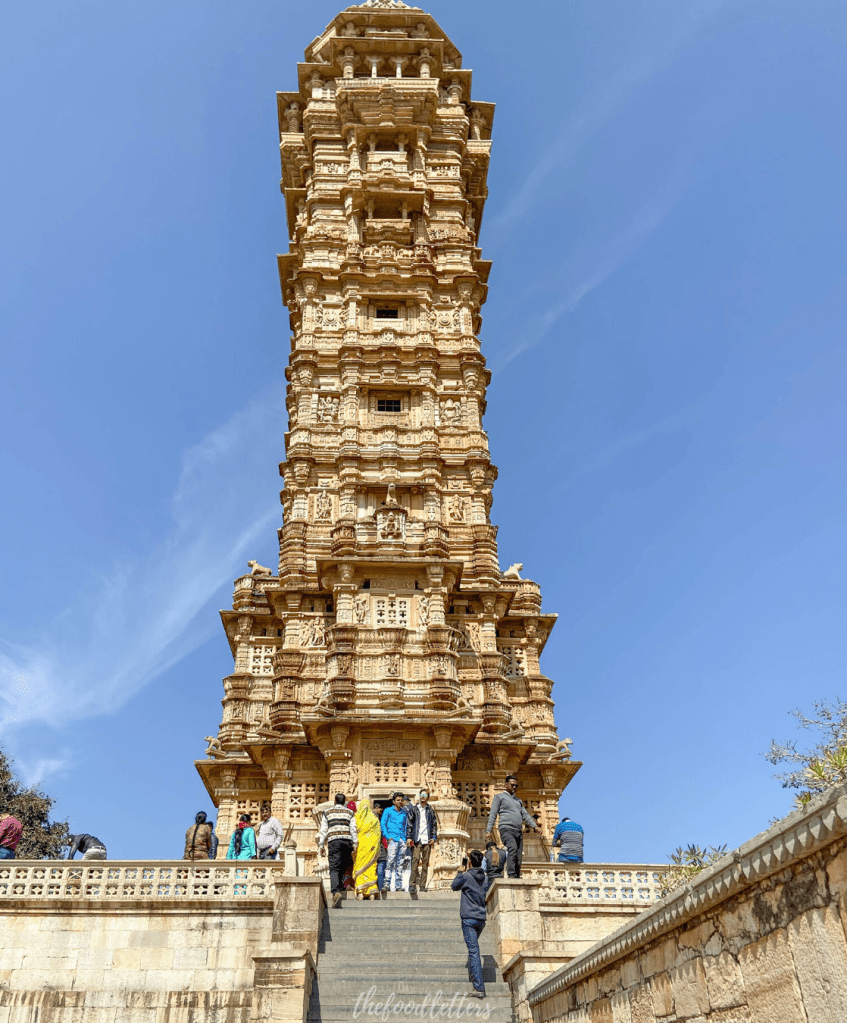
122 ft Vijay Sthambha, a victory tower built in 1440 by Rana Kumbha to commemorate victory over Mahumud Khilji 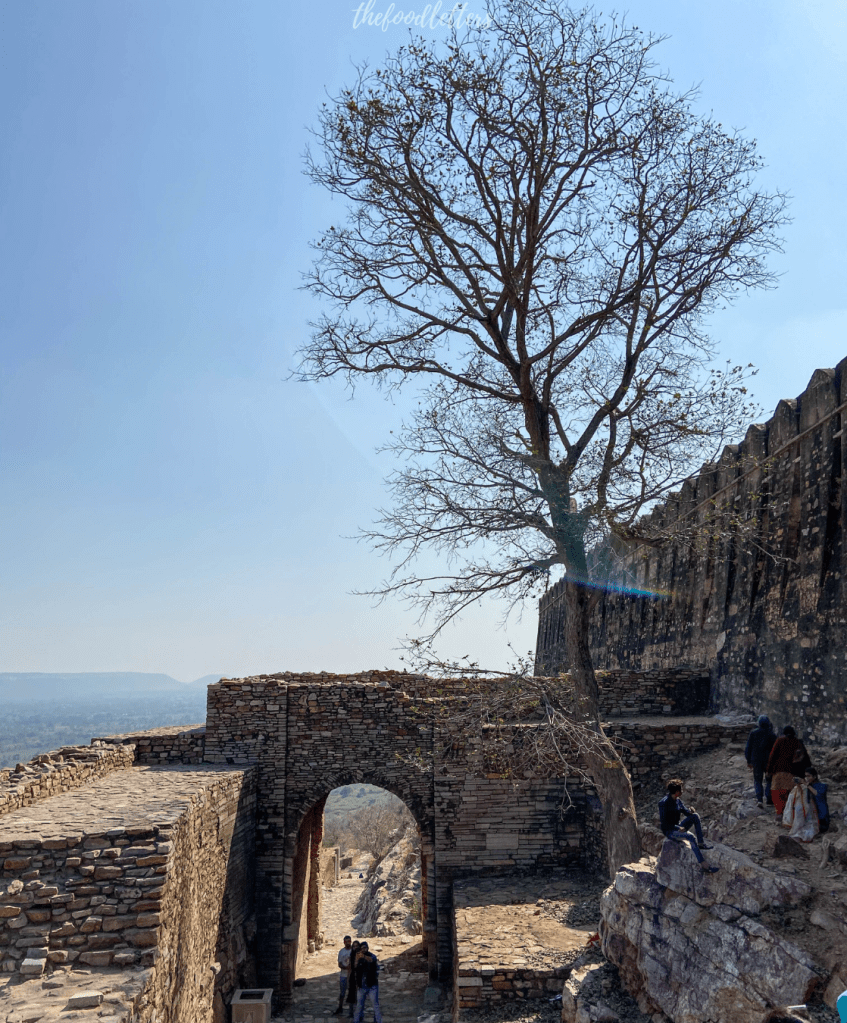
Picture of what used to be the main entry to the fort. A cumbersome climb apparently made it relatively safer.
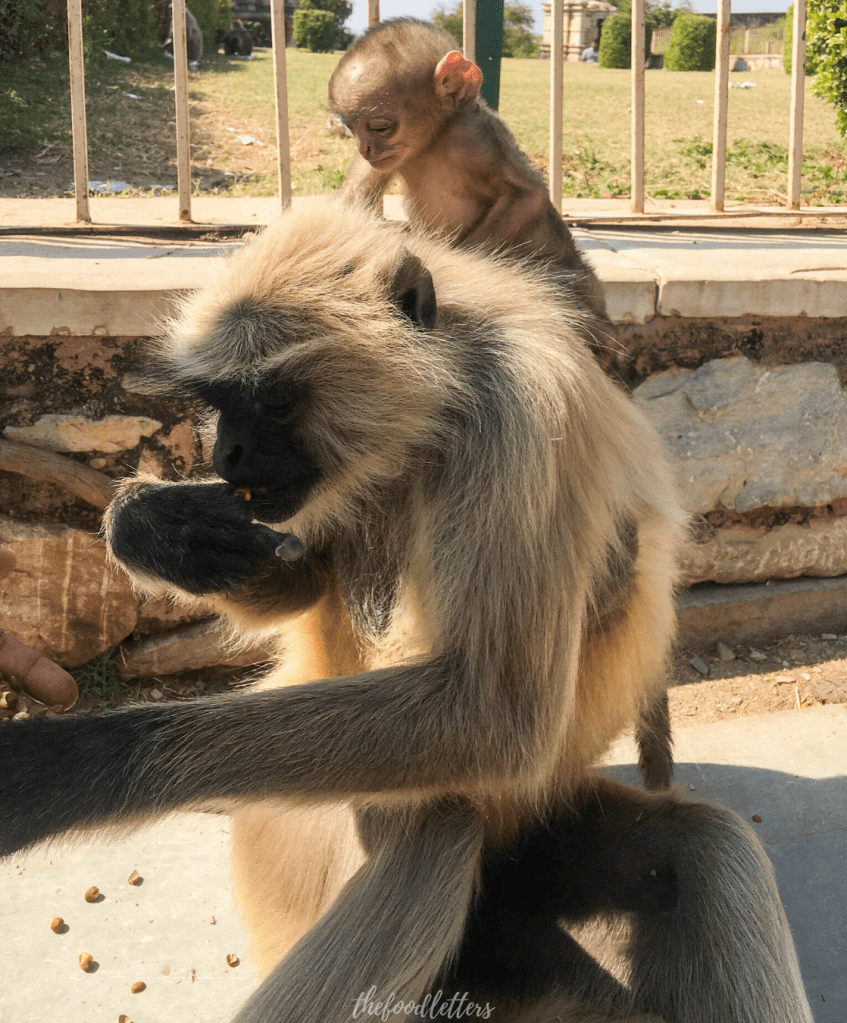
This baby kept clinging. 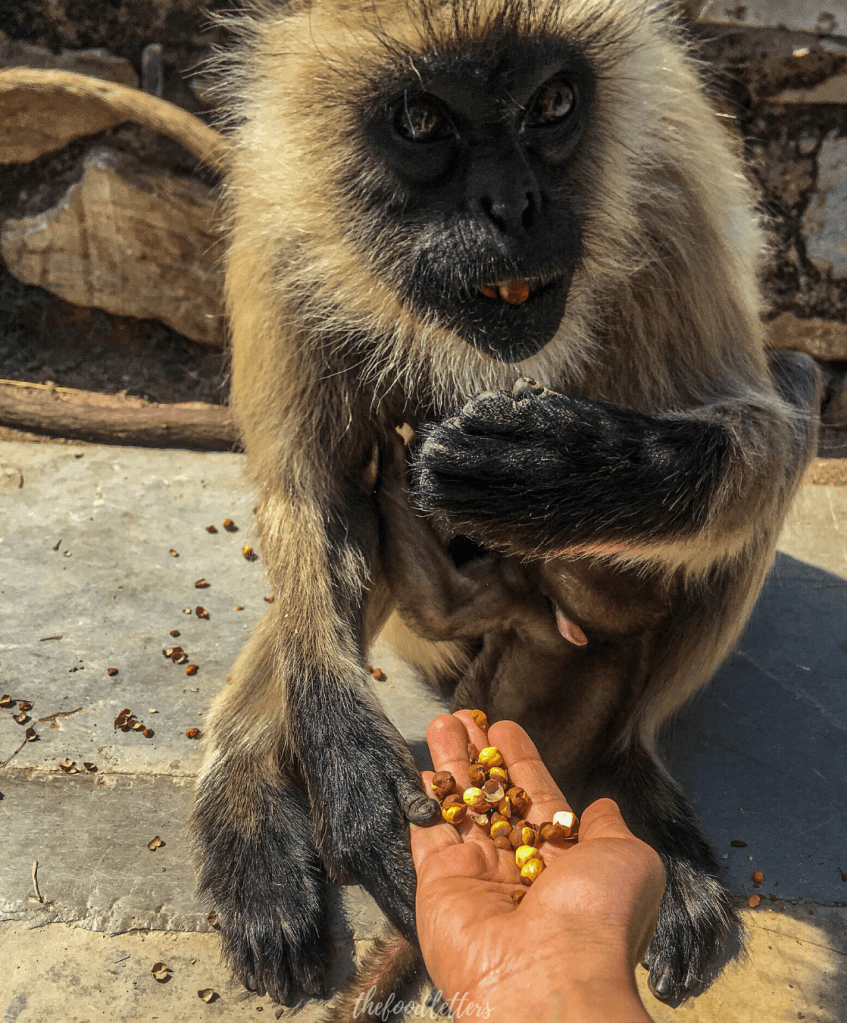
And look at how she held my hand. 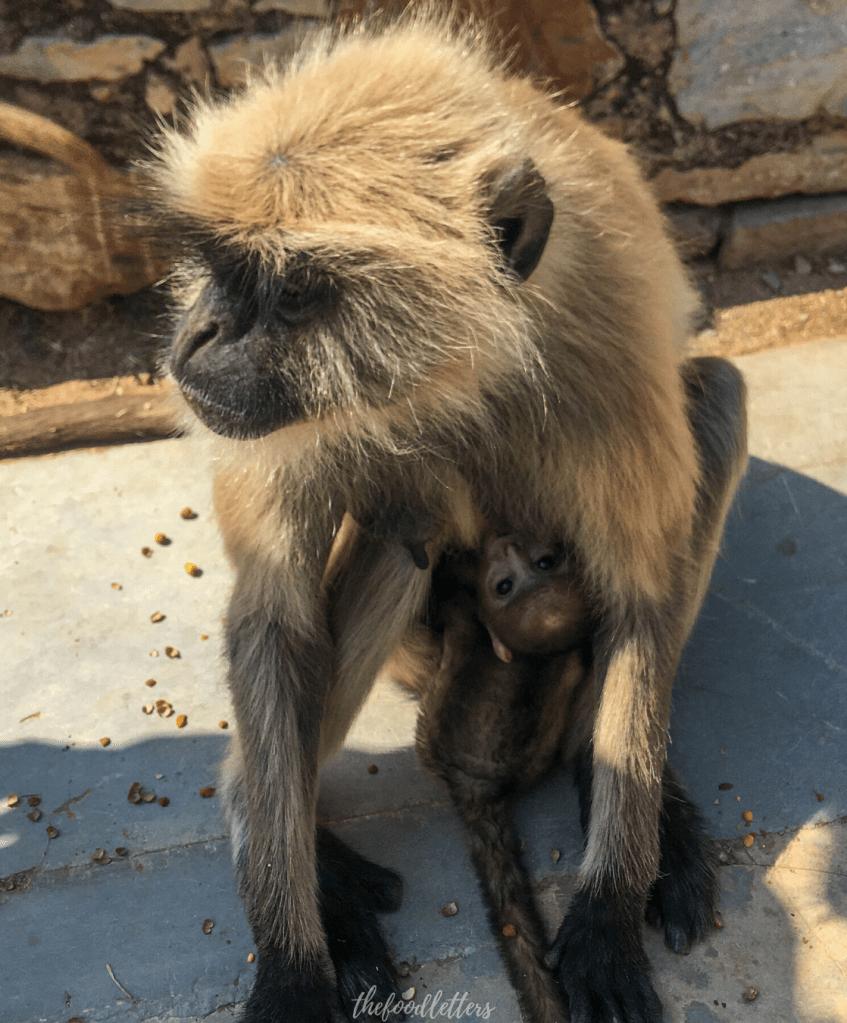
The baby did want some mommy time.
P.S.: So many clicks with them, I had a difficult time picking out these.
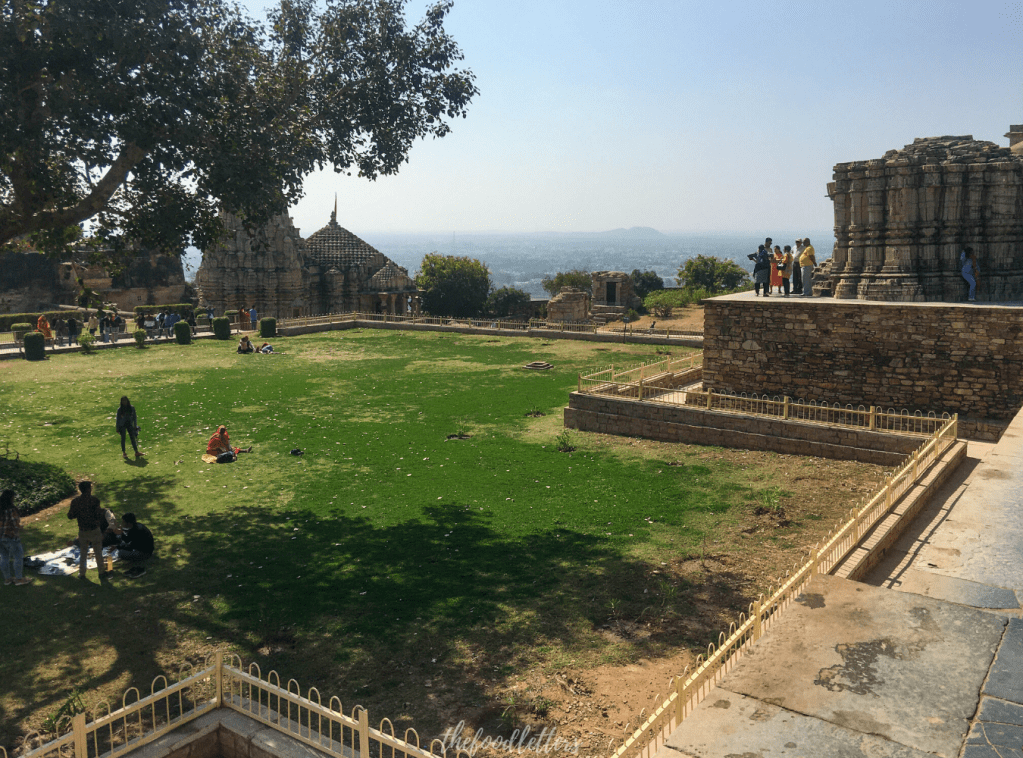
The place where Rani Padmini (sometimes known as Rani Padmavati) and all the females in the fort committed jauhar has been sealed from the top by laying a floor on top. Also, there is a temple built with Rani’s idol and people there instill have belief in it. Uninterested due to bad health and an uninformed guide we may not have enjoyed this enigmatic fort as much. On a lighter note, when we asked our guide “Yeh Vijay Stambh kitna purana hai? (how old is the Vijay Stambh) all he had was“Bahut saal purana hai” (many years old). And my friend decided, to push him in the last seat of our Innova because he did not deserve the luxury of a convenient front seat. (To do that was mean but we laughed upon it unapologetically and still do :D). I might want to revisit the place only for all the pani puri, and chaat, which we only looked at with hopeful eyes but did not dare to touch.
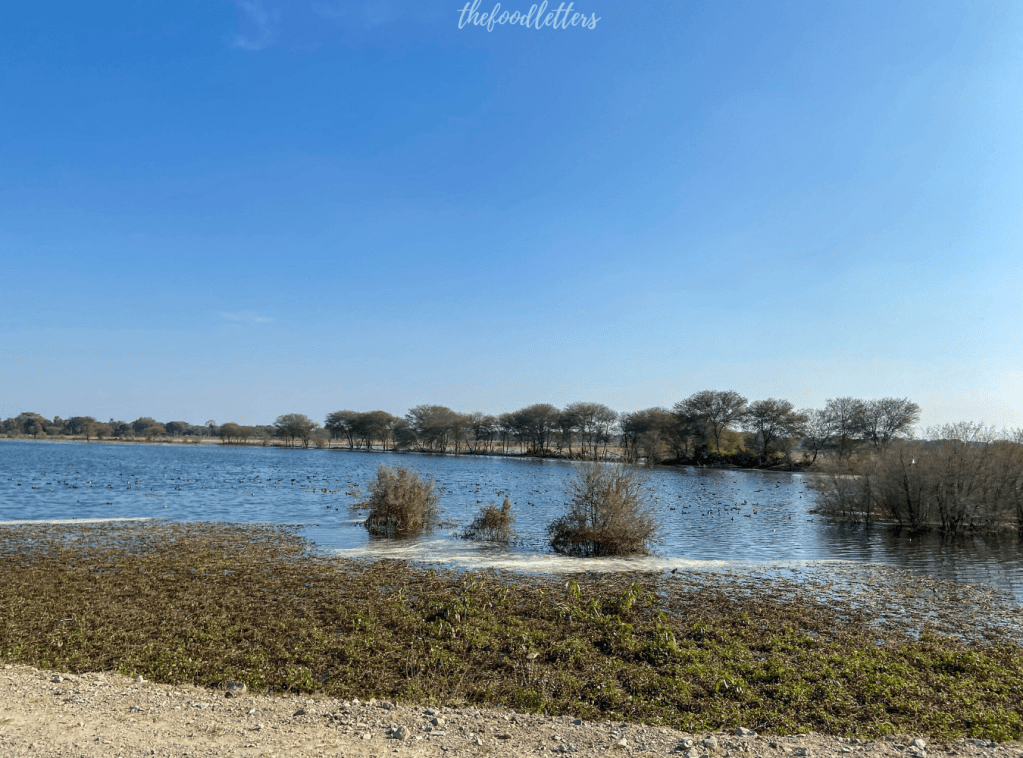
Since we were back by 5pm , we visited a mall nearby just to kill time but could barely survive 15 minutes in there. We ran back home, tucked in blankets early at 7pm, masterchef on again, Rakesh bhaiya (our cook) served us hot bajre ki khichdi, and that was hands down best meal ever especially for the sick stomachs.
And that was our time in Udaipur before we left for our next destination the following morning.
P.S.: If you are wondering about my mention of “home” and not hotel, read the first blog on Udaipur.
 One Bite Each Mile
Great post 😁
LikeLike